Tankless Water Heater Installation and Repair in Palm Beach County
Endless hot water with high-efficiency tankless installation, replacement, flushing and repair.
- Licensed & insured
- Upfront pricing
- Clean, courteous techs
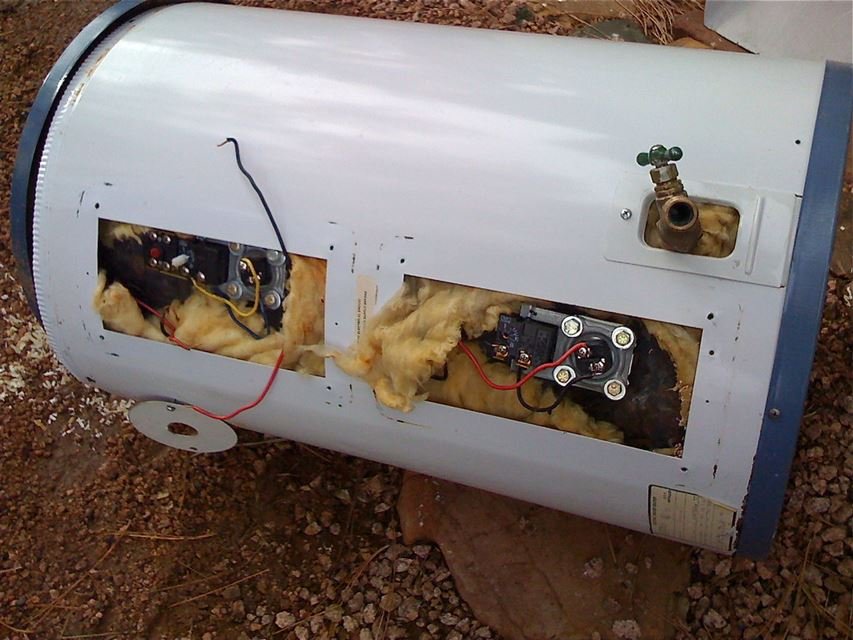
What is tankless Water Heater?
A tankless water heater warms water only when you need it, so you get a continuous supply of hot water without the standby losses of a storage tank. Buckeye Plumbing installs, replaces, repairs and services gas and electric tankless water heaters for homes and businesses.
Tankless units are compact, long-lived and efficient, and they free up floor space. Because they are sized by flow rate and temperature rise, a correct installation depends on proper sizing, venting, gas supply and water quality. We take care of each step.
If you are considering a change from a tank, we help you compare options honestly. A tankless heater is not right for every home, but when it fits, it can be a rewarding upgrade.
Signs you need tankless Water Heater
Recognizing the warning signs early is the best way to keep a small plumbing issue from becoming an expensive one. Watch for the following in your home or business.
- You run out of hot water. Tanks can run out during busy mornings. Tankless supplies continuous hot water.
- Your tank is leaking or aging. A tank over ten years old is a candidate for replacement.
- You want to save space. Tankless units mount on a wall.
- You want higher efficiency. On-demand heating reduces standby losses.
- You have a large family or guests. Multiple fixtures can run at once with correct sizing.
- You are renovating. Remodels are a good time to switch.
- Your tankless unit shows an error code. Scale and venting problems cause faults.
- Your tankless unit is not heating evenly. Cold water sandwich or clogged exchanger needs service.
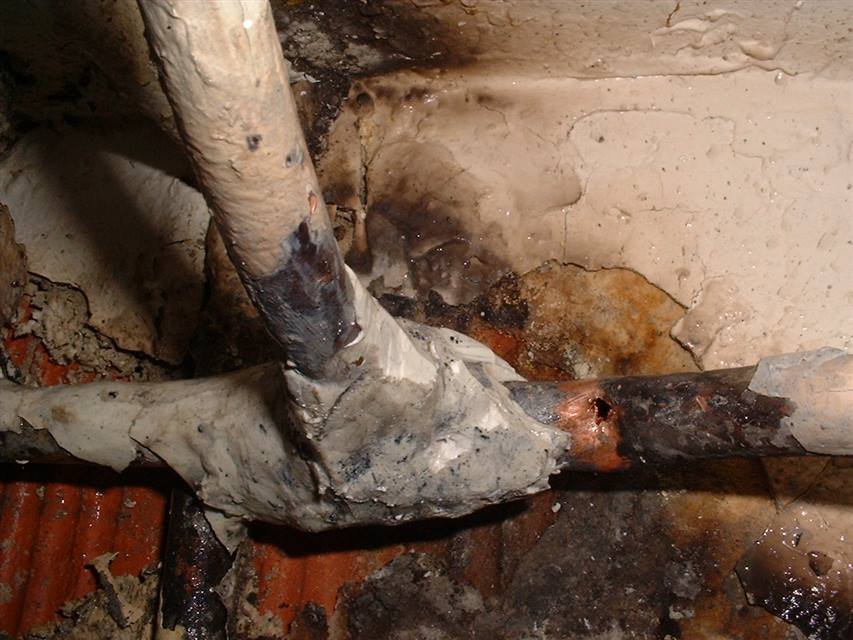
How our tankless Water Heater process works
You should know exactly what will happen before a plumber arrives. Here is how we handle every tankless Water Heater job from first call to final cleanup.
- Evaluate your home. We review fixtures, flow rates, incoming water temperature and gas or electric capacity.
- Size the unit. We choose a unit with enough flow at your required temperature rise.
- Prepare gas, venting and water. We upgrade gas lines, venting and isolation valves as needed.
- Install and commission. We mount, connect and program the unit and test it.
- Permit and inspection. We obtain permits and arrange inspection.
- Teach and document. We show you how to use the unit and schedule flushing.
Tankless Water Heater options and services we provide
Gas tankless water heaters
Higher flow rates, requiring proper venting and gas sizing.
Electric tankless water heaters
Easier installation in some homes, but they require substantial electrical capacity.
Condensing units
Higher efficiency and PVC venting.
Recirculation systems
Deliver hot water to distant fixtures faster.
Water treatment
Softeners or scale inhibitors extend life.
Annual flushing and service
Descaling keeps units efficient.
How much does tankless Water Heater cost in South Florida?
Tankless water heaters cost more upfront than tank models, and installation can add cost if gas lines, venting or electrical service must be upgraded. Over time, efficiency and longevity can offset the difference.
We provide a written quote that includes the unit, installation, permit and any upgrades required, so you can compare with a tank replacement.
What affects the price
- Unit capacity and brand
- Gas line or electrical upgrade
- Venting type and route
- Water treatment
- Permit
- Removal of old heater
Tankless Water Heater in Palm Beach County and Martin County: local factors
South Florida's warm incoming water means a lower temperature rise, which lets many tankless units deliver generous flow. But hard water can quickly build scale in the heat exchanger. Annual flushing or a scale inhibitor protects your investment.
Hurricane considerations also apply: units should be mounted to resist flooding and wind, and exterior units need appropriate venting and protection. Many homes lack the gas supply needed for tankless, so we check capacity.
Electric tankless units may require a large breaker and wiring, and condos may restrict venting or gas. We verify rules before installation.
How to prevent problems and extend system life
- Flush annually. Remove scale with vinegar or descaling solution.
- Clean filters. Clean the inlet screen regularly.
- Check venting. Keep exhaust paths clear.
- Soften water. Use conditioning to protect the exchanger.
- Service yearly. Schedule professional maintenance.
- Watch error codes. Do not ignore warnings.
How a tankless water heater works, in plain language
A conventional water heater keeps dozens of gallons of water hot around the clock. A tankless water heater, also called an on-demand heater, heats water only when you open a hot tap. When flow is detected, a sensor starts a gas burner or electric heating elements. Cold water passes through a heat exchanger, absorbs heat and leaves the unit at your set temperature. When you close the tap, the heating stops. There is no tank to keep warm, which is why tankless units avoid standby heat loss.
The key limits are flow rate and temperature rise. Each unit is rated for how many gallons per minute it can heat by a given number of degrees. Temperature rise is the difference between incoming water temperature and the desired hot water temperature. In South Florida, incoming water is warm for much of the year, so the required rise is smaller than in cold climates, and many units can deliver generous flow. Sizing depends on how many fixtures you expect to run at once.
Gas units deliver higher flow rates because burners can produce a lot of heat, but they need a gas supply of adequate size and a proper vent. Electric units are simpler to vent but need a large amount of electrical capacity, since heating water instantly takes a lot of power. Condensing gas models extract more heat from the exhaust and use plastic venting, which often makes installation easier.
Understanding these basics helps you ask good questions. How many gallons per minute will I need? Do I have adequate gas or electrical capacity? Where will the unit vent? Who will flush it each year?
Tankless or tank: an honest comparison for South Florida homes
Tankless heaters have advantages. They provide continuous hot water within their flow limit, so back-to-back showers do not run cold. They take less space, mounted on a wall rather than occupying a closet. They have a long expected lifespan, often cited as around twenty years with maintenance, compared with eight to twelve years for a typical tank. They avoid the risk of a large tank leaking and flooding a space, although the connections can still leak.
They also have drawbacks. The upfront cost is higher, and installation can be more involved, especially if the gas line must be enlarged, venting must be added or the electrical service upgraded. Hard water scale can damage the heat exchanger if the unit is not flushed. At very low flows, some units may not fire, which can lead to lukewarm water when a faucet is barely open. Recirculation systems add complexity.
Tank heaters are less expensive, simple and familiar. In warm climates, heat pump water heaters are an efficient tank alternative that uses ambient heat to warm water and can cut energy use significantly. For some households, a heat pump tank is a better value than a tankless unit.
The right choice depends on your household size, usage pattern, existing infrastructure and budget. A plumber who offers all options and explains trade-offs, instead of pushing a single product, will help you decide.
Sizing a tankless heater: flow rate, fixtures and simultaneous use
Sizing begins with a list of fixtures you want to run at the same time. A typical shower might use around two gallons per minute, a kitchen faucet around one and a half, a dishwasher or washing machine a couple more. Add the flow of the fixtures likely to run together, such as two showers and a dishwasher, and you have a target flow in gallons per minute.
Next, consider temperature rise. If incoming water is around 75 degrees in summer and you want 120 degrees, the rise is 45 degrees. In winter, incoming water may be cooler, and the rise larger. Size for the coolest conditions to avoid disappointment in winter. A manufacturer's chart shows how much flow a unit can deliver at a given rise.
Large homes with multiple bathrooms may need two units, either in parallel to increase capacity or in separate locations to shorten pipe runs. A recirculation loop, with a pump and insulated return line, can deliver hot water quickly to distant fixtures at the cost of some added energy use. Some units include built-in recirculation pumps.
Ask your plumber for a sizing calculation, not just a recommendation by brand. Request the assumptions in writing so you can see how the plan matches your household.
Gas lines, venting, electrical service and permits: the installation checklist
The unit is only part of the project. For gas models, the gas line must supply enough volume at the required pressure. Tankless heaters often need a larger gas line than a tank heater, and the gas meter may need to be upgraded by the utility. The plumber calculates the connected load and the length of the run to size the pipe.
Venting depends on the model. Non-condensing units use stainless steel vent pipe, often through the roof or wall. Condensing units use PVC or similar plastic venting and produce acidic condensate that must be drained, usually with a neutralizer. Venting must meet clearance rules from windows, doors and air intakes, and in hurricane zones must resist wind and rain.
Electric units can require substantial circuits. A whole-house electric tankless heater may need multiple large breakers and heavy wire, which could require an electrical panel upgrade. Also check whether the unit needs a dedicated disconnect.
Water connections include isolation valves with service ports, which make flushing easy, a pressure relief valve where required, and a condensate drain for condensing gas models. Permits and inspections are typically required, and the plumber should handle them. Confirm that the installation meets local code and manufacturer requirements, since improper installation can void the warranty.
Hard water, scale and annual flushing: protecting your investment
Hard water is the main enemy of tankless heaters. When water is heated, dissolved minerals precipitate and form scale on the heat exchanger. Scale acts as insulation, reducing heat transfer and efficiency, and it can restrict flow, cause error codes and eventually damage the exchanger. Because the passages in a tankless heat exchanger are narrow, even modest scale can matter.
The remedy is routine descaling. The plumber isolates the unit using the service valves, connects a small pump and hoses and circulates a descaling solution, often a food-grade vinegar or a manufacturer-approved product, through the heat exchanger for a period of time, then flushes with clean water. Most manufacturers recommend doing this at least annually in hard water areas, and some recommend more frequent service.
A water softener or scale-inhibiting system protects the heater, along with other appliances and fixtures. If your home has a softener, ensure that it is working and that hardness is within the manufacturer's limits. Clean the inlet screen filter periodically to remove debris.
Keep records of flushing. Many warranties require proof of maintenance, and records help diagnose problems. Set a calendar reminder, and schedule service during a time when a short interruption in hot water will not matter.
Troubleshooting common tankless problems before you call
Tankless units display error codes that help diagnose problems. Common issues include ignition failure on gas units, caused by a closed gas valve, low gas pressure or a dirty flame sensor; overheating, often related to scale; flow sensor faults; and venting problems such as blocked exhaust. Your manual lists code meanings.
The cold-water sandwich occurs when you shut off hot water briefly and turn it back on. The water in the pipes cools, and the heater needs a moment to restart, so you feel a short burst of cold. It is a characteristic of some systems rather than a malfunction, and a recirculation loop or a small buffer tank can reduce it.
Lukewarm water can result from low flow, where the unit cannot detect enough flow to fire, from a partially clogged aerator or from crossover in a mixing valve elsewhere in the house. It can also be a sign that the unit is undersized for the number of fixtures running at once.
Simple checks include verifying that gas and water valves are open, that electrical power is on, that vents are clear and that the temperature setting is correct. If problems persist, call a technician. Do not attempt internal repairs on gas appliances.
Replacing a tank with a tankless unit: costs, savings and realistic expectations
Switching to tankless is a project, not just a swap. The total cost includes the unit, venting, gas or electrical upgrades, water connections, permit and removal of the old heater. In some homes, existing infrastructure makes the project straightforward; in others, upgrades add to the cost.
Savings come from reduced standby loss and, for gas units, efficient burners. Estimates of energy savings vary with usage; households that use a modest amount of hot water often save more in percentage terms than households that use a great deal. Savings alone may not cover the added upfront cost for many years, and you should weigh them along with benefits such as endless hot water, space and longevity.
Consider incentives. Utilities and government programs sometimes offer rebates or tax credits for high-efficiency water heaters, including tankless and heat pump models. Availability changes, so check current programs.
Compare options in writing. Ask for quotes on a tankless unit and on a high-efficiency tank or heat pump unit, with the same scope. Compare the total cost, expected lifespan, warranty and maintenance requirements.
Condominiums, townhomes and associations: tankless in shared buildings
Many multi-family buildings have restrictions on gas appliances, venting and wall penetrations. Some prohibit gas altogether, which leads to electric tankless or heat pump options. Electric tankless units may require a larger circuit than the unit's panel can provide, and the building's electrical capacity may limit what is possible.
Approvals are usually required. Submit specifications, venting plans and a copy of the contractor's license and insurance to the association. Allow time for review. Some associations require specific contractors or have rules on how shut-offs and shutdowns are scheduled.
Location matters. A unit mounted in a closet needs combustion air, venting and clearances. A unit on a balcony or exterior wall needs weather protection and compliance with rules on appearance. Water leaks from a failed connection can affect neighbors, so install a drain pan and consider a leak sensor.
Your plumber can help prepare the documents and coordinate. Ask whether they have worked in your building or association before. Experience with local rules saves time and prevents rework.
Recirculation, comfort and the wait for hot water at distant fixtures
One of the most common complaints in any home, whether the heater is tank or tankless, is the wait for hot water at a faucet far from the heater. The delay happens because the pipe between the heater and the faucet is full of cooled water that must be flushed out before hot water arrives. In a large home, the wait can be a minute or more, wasting water while you stand and wait.
A recirculation system solves this by keeping hot water moving through a loop. A small pump circulates water from the hot line back to the heater, so hot water is always near the fixtures. Some systems use a dedicated return line, others use a crossover valve under the farthest fixture and the cold line as a return. Controls matter: a timer, a temperature sensor or a demand button that runs the pump only when needed saves energy compared with a pump that runs constantly.
With a tankless heater, recirculation requires a model that supports it, sometimes with a built-in pump and sometimes with a small buffer tank to prevent the cold-water sandwich effect. Pipe insulation reduces heat loss from the loop. Plan the system during installation, since adding a return line later can be difficult in finished walls.
Weigh the benefits against the costs. Recirculation increases comfort and saves water, though it uses additional energy and adds equipment that needs maintenance. For long pipe runs and large homes, it is often worth it.
Comparing brands and features without getting lost in marketing
Tankless water heaters are sold with many features, and some matter more than others. Look first at the flow rate at your required temperature rise, because that determines whether the unit meets your needs. Next, consider the efficiency rating and whether the unit is condensing, which affects energy use and venting.
Check the warranty: heat exchanger coverage is typically longer than parts coverage, and some warranties require professional installation and annual maintenance. Look at serviceability: do the manufacturer and local distributors supply parts, and are local technicians trained on the brand? A reliable unit that cannot be serviced locally is a poor choice.
Features such as built-in recirculation pumps, smart controls, remote diagnostics and Wi-Fi connectivity can be useful but add complexity. Decide which you need. Consider the sound level if the unit will be near living spaces, and the size and weight for your wall.
Ask your plumber which brands they install and service regularly and why. A plumber who has experience with a brand can handle warranty issues and repair efficiently. Compare quotes on the same model and scope, and avoid decisions based solely on the lowest price.
Hurricane season, power outages and tankless heaters
Tankless heaters have a quirk: most require electricity to operate, even gas models, because controls, fans and ignition use power. During a power outage, a tankless heater will not produce hot water unless it is connected to a generator or battery backup. A tank heater, by contrast, retains a supply of hot water for a time even without power, and some gas tank heaters with standing pilots work without electricity.
If you live in a hurricane-prone area and outages are a concern, plan accordingly. Options include a small generator with an appropriate transfer switch, a battery backup designed for the unit or choosing a model with a smaller power draw. Know how to turn off the unit and the gas if you evacuate.
Storm preparation also includes protecting venting and exterior units from wind and flooding. Mount units above expected flood levels where possible, secure vent terminations and check for damage after a storm before restarting. If flood water reached the unit, have a technician inspect it before use; electrical and gas components exposed to flood water may need replacement.
After a storm, flush the system if there was a boil-water notice or a loss of pressure, and check for debris in the inlet filter.
Heat pump and hybrid alternatives: how they compare with tankless
Heat pump water heaters are a strong alternative in Florida's climate. They use electricity to move heat, not to create it, so they are far more efficient than conventional electric tanks, with annual energy use significantly lower. They store hot water in a tank, so they can supply large flows for short periods and are not limited by flow rate the way a tankless unit is.
Comparing tankless gas with heat pump tank, consider your fuel and infrastructure. If you have no gas, a heat pump avoids the cost of running a gas line and the electric demand of an electric tankless unit. If you have gas and high hot water demand, gas tankless may suit. Heat pump units need space and a condensate drain, and they cool the surrounding air.
Lifespan and maintenance differ. A heat pump unit typically lasts about as long as a high-quality tank heater, with maintenance including flushing, cleaning an air filter and checking the condensate drain. A tankless unit may last longer but needs descaling.
Ask for a comparison that includes installation cost, operating cost, expected lifespan and maintenance. Incentives for heat pump water heaters are common and can narrow the cost difference. Choose the option that fits your home and budget, not the one that sounds most advanced.
Frequently asked questions about tankless water heaters, answered in depth
Will a tankless heater really give me endless hot water? It gives continuous hot water as long as the demand stays within its rated flow at your target temperature. If you try to run more fixtures than the unit can supply, water temperature falls or flow reduces. Proper sizing ensures that everyday use stays within the limit, and for large households, two units or a larger unit can raise the ceiling.
Can I install a tankless heater in place of my tank without other changes? Sometimes, but often not. Gas models may need a larger gas line and new venting. Electric models need heavy electrical circuits. Water connections and a condensate drain may need to be added. A site visit determines what is needed.
Do tankless heaters need maintenance? Yes. Annual descaling is the most important task, especially in hard water. Cleaning the inlet filter, checking vents and inspecting for leaks are other tasks. Neglect shortens life and can void warranties.
Is a tankless heater safe? When properly installed with correct venting, gas supply and electrical work, it is safe. Gas units must be vented to prevent carbon monoxide, and a carbon monoxide alarm is wise. Installation by a licensed plumber and inspection by the building department protect you.
Will it work during a power outage? Most will not without electricity, even gas models. Plan for a generator or battery backup if outages are a concern.
Signs your tankless heater needs service sooner rather than later
Several symptoms suggest it is time for service: fluctuating temperatures that were not present before, longer waits for hot water, an error code that returns after resetting, reduced flow at hot taps, unusual noises such as banging or whistling from the unit, a drop in energy efficiency, or visible scale or corrosion at connections. Each can have a simple cause, such as a clogged filter or a closed valve, or a serious one, such as a scaled heat exchanger.
If you notice such signs, check the simple items first: valves open, filter clean, power on, vent clear. If the issue persists, schedule service. A technician can descale the unit, test sensors, check combustion on gas models and inspect venting. Catching a problem early prevents more costly damage.
Keep a service record. Note the date of each flushing and any error codes, which helps the technician diagnose trends and supports warranty claims.
Tankless Water Heater frequently asked questions
How long do tankless water heaters last?
Often around 20 years with regular maintenance.
Will I really never run out of hot water?
A properly sized unit supplies continuous hot water within its flow limit.
Do tankless heaters need maintenance?
Yes, annual flushing is important, especially with hard water.
Can I install tankless in a condo?
Often yes, but venting, gas and association rules must be checked.
Is gas or electric better?
Gas offers higher flow; electric is simpler but needs high electrical capacity.
How much will I save?
Savings depend on use. Efficiency gains reduce energy consumption compared to storage tanks.
Do you service all brands?
We service and repair major brands.
Can you replace my tank with tankless?
Yes, after evaluating your gas, venting and electrical systems.
Tankless Water Heater service areas
Buckeye Plumbing provides tankless Water Heater in 56 communities across Palm Beach County and Martin County, including Atlantis, Boca Raton, Boynton Beach, Briny Breezes, Cloud Lake, Delray Beach, Glen Ridge, Golf and many more. Choose your community to see local information.
- Atlantis
- Boca Raton
- Boynton Beach
- Briny Breezes
- Cloud Lake
- Delray Beach
- Glen Ridge
- Golf
- Greenacres
- Gulf Stream
- Gun Club Estates
- Haverhill
- Highland Beach
- Hobe Sound
- Hypoluxo
- Jensen Beach
- Juno Beach
- Juno Ridge
- Jupiter Farms
- Jupiter Inlet Colony
- Jupiter
- Jupiter Island
- Kenwood Estates
- Lake Belvedere Estates
- Lake Clarke Shores
- Lake Park
- Lake Worth
- Lantana
- Limestone Creek
- Loxahatchee Groves
- Manalapan
- Magnolia Park
- North Palm Beach
- Ocean Breeze
- Ocean Ridge
- Palm Beach Gardens
- Palm Beach Shores
- Palm Beach
- Palm City
- Palm Springs
- Pine Air
- Riviera Beach
- Royal Palm Beach
- Royal Palm Estates
- San Castle
- Schall Circle
- Seminole Manor
- South Palm Beach
- Stacey Street
- Stuart
- Tequesta
- The Acreage
- Watergate
- Wellington
- West Palm Beach
- Westlake