Emergency Plumber in West Palm Beach and Palm Beach County
Need an emergency plumber in West Palm Beach? Burst pipes, sewage backups and failed water heaters get fast response across Palm Beach County.
- Licensed & insured
- Upfront pricing
- Clean, courteous techs
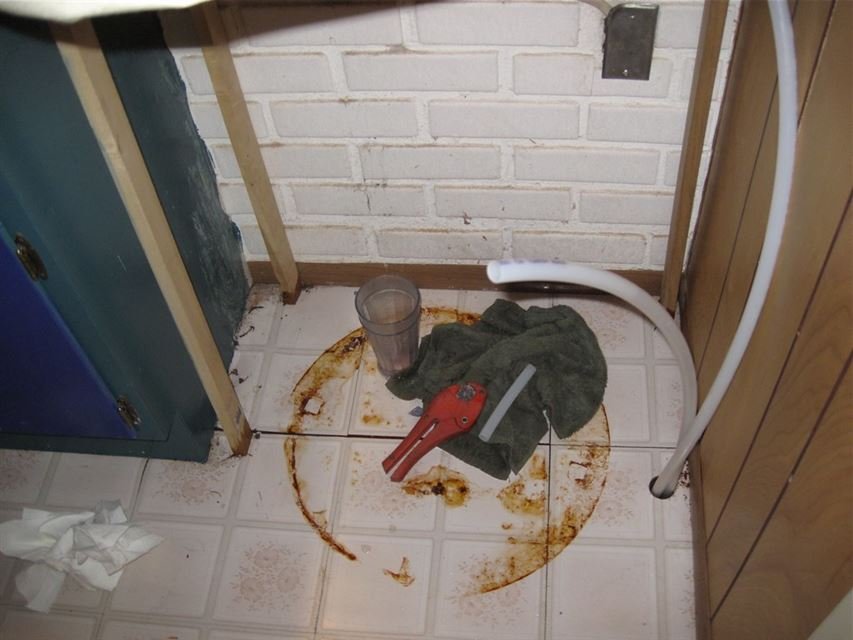
What is emergency Plumbing?
An emergency plumbing problem rarely waits for a convenient time. A supply line lets go at two in the morning, a toilet overflows into a hallway on a holiday, or a water heater tank begins to leak into a closet while the family is at dinner. Buckeye Plumbing provides emergency plumbing service across Palm Beach County and the Treasure Coast so that a real, trained plumber answers your call, tells you how to limit the damage right now, and is on the way to fix the cause rather than just the symptom.
In South Florida, water damage moves fast. Warm, humid air and porous building materials mean that wet drywall, insulation and flooring can begin to grow mold within roughly a day or two. That is why our emergency process is built around speed and containment first: stop the water, protect the structure, document the damage for insurance, and then complete a lasting repair. Our trucks are stocked with the fittings, valves, pipe and water heater parts that account for most urgent calls, which means most emergencies are resolved in a single visit.
This page explains what counts as a plumbing emergency, what you can safely do before we arrive, how our emergency visit works, what affects the price, and how to reduce the odds of a repeat. If you are in the middle of an emergency right now, call us first and read later. The shut-off steps in the section below can be done in under two minutes and often save thousands of dollars in damage.
Signs you need emergency Plumbing
Recognizing the warning signs early is the best way to keep a small plumbing issue from becoming an expensive one. Watch for the following in your home or business.
- Water running where it should not be. Water streaming from a ceiling, bubbling up through a floor, or dripping from light fixtures indicates a failed supply line, a slab leak or a drain overflow above. Do not wait to see whether it stops.
- Sewage backing up into tubs, showers or floor drains. When several fixtures back up at once, the main sewer line is blocked. Raw sewage is a health hazard and should be treated as urgent for every household.
- No water at all, or a sudden drop in pressure. A complete loss of water can mean a broken service line, a failed pressure regulator or a closed valve. A sudden pressure drop across the home can point to a leak somewhere in the supply piping.
- A water heater leaking from the tank. Leaks from the tank body, as opposed to a loose fitting, usually mean the tank has corroded through and cannot be repaired. Shut off the cold supply and power or gas, then call us.
- The sound of running water when everything is off. A water meter that spins while every fixture is off is one of the clearest signs of a hidden leak and often the first warning of a slab or underground failure.
- Overflowing toilet that will not stop. A toilet that continues to rise after you lift the tank lid and close the flapper may be backed up from the main line and should not be flushed again.
- Smell of rotten eggs or sewer gas indoors. A dry trap, a cracked vent or a failing drain can let sewer gas into the home. Strong odors that persist deserve prompt professional attention, and any gas appliance odor should be reported to your gas utility first.
- Frozen or burst pipes after a rare cold snap. Florida freezes are uncommon but do happen, and unprotected exterior piping, irrigation backflow assemblies and attic lines are the usual victims.
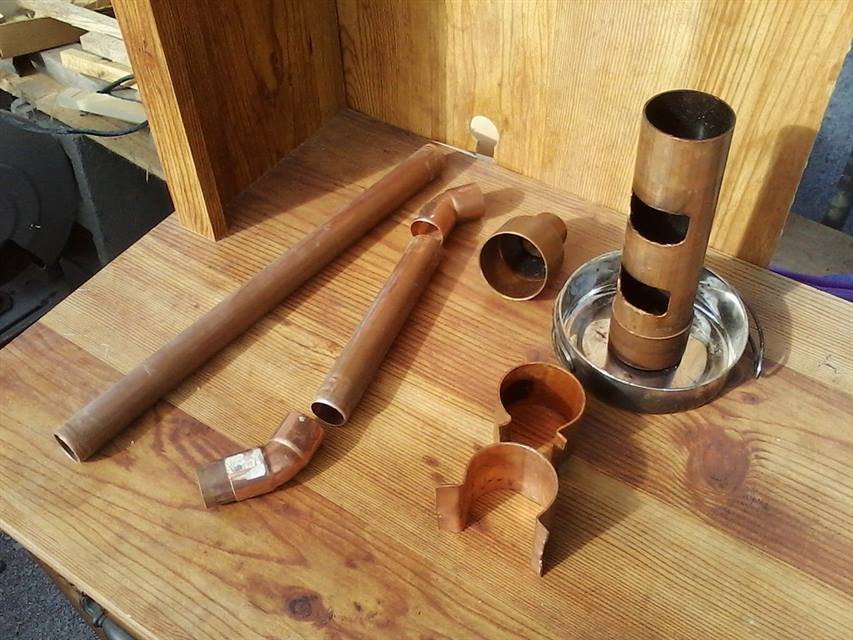
How our emergency Plumbing process works
You should know exactly what will happen before a plumber arrives. Here is how we handle every emergency Plumbing job from first call to final cleanup.
- Call and triage. You reach a live dispatcher who asks a few precise questions: where the water is, whether it is clean or sewage, and whether you can reach the main shut-off. We give you immediate steps to limit damage and dispatch the closest available plumber.
- Arrival and containment. The plumber arrives in a marked vehicle, confirms the shut-off, and stops the active leak or overflow first. Containment always comes before diagnosis when property is at risk.
- Diagnosis. Once the situation is stable, we find the actual cause using pressure tests, moisture meters, line cameras or acoustic leak detection as needed, so you are not guessing about the underlying problem.
- Clear options and a written price. Before any permanent repair begins you receive the findings, the options and a clear price. Where a temporary repair is smarter than a rushed permanent one, we say so.
- Repair and restoration of service. We make the repair, restore water and test every connection, drain and fixture touched by the work. If a permit is required, we handle it.
- Documentation and follow-up. We provide photographs and a written description of the failure that you can share with your insurance adjuster, and we recommend the preventive steps that make sense for your home.
Emergency Plumbing options and services we provide
Burst or leaking supply lines
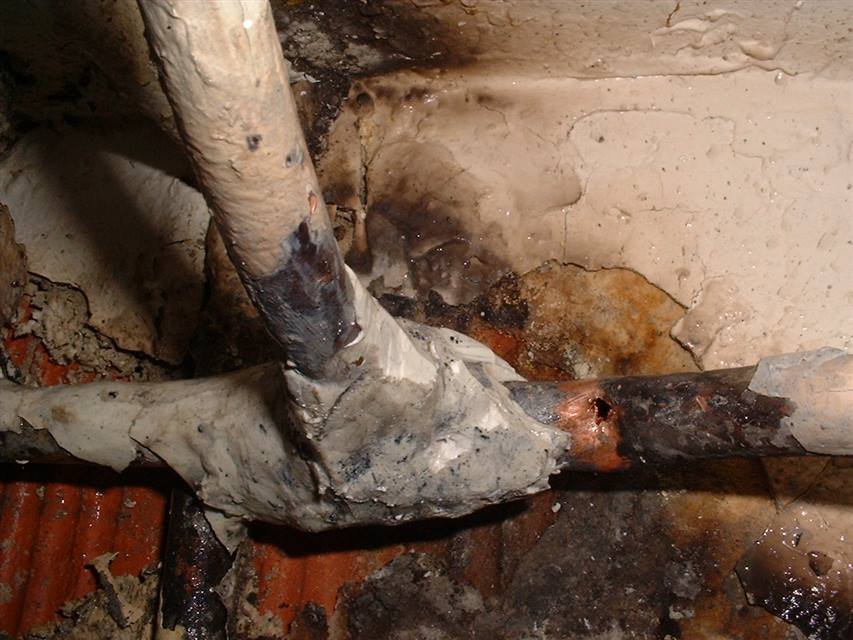
Supply lines fail because of age, corrosion, pressure spikes or poor fittings. We repair or replace the failed section, and where the pipe material itself is failing, we explain when repiping a portion of the home is the more economical route.
Sewer and drain backups
A backup is cleared with a powered cable or a hydro-jetting machine, followed by a camera inspection when the cause is unclear. This tells you whether the problem was a one-off blockage or a structural defect such as a root intrusion or collapsed section.
Water heater failures
We stock common sizes of tank and tankless units and can often install a replacement the same day, restoring hot water while the household is still around to enjoy it.
Slab and underground leaks
Leaks beneath concrete are located with electronic detection before anyone breaks a floor. Depending on the pipe, we may repair the line directly, reroute it overhead or replace a section.
Toilet, fixture and appliance supply failures
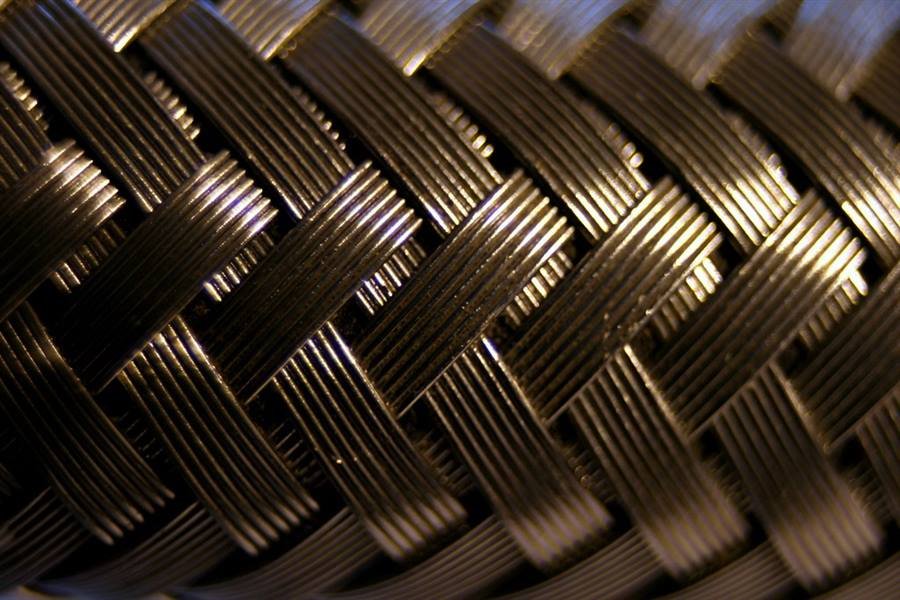
Failed toilet connectors, washing machine hoses and ice-maker lines cause a surprising share of serious indoor floods. We replace them with braided stainless or properly rated connectors.
How much does emergency Plumbing cost in South Florida?
Emergency plumbing is priced to reflect the real cost of keeping trained plumbers and stocked trucks available around the clock. You should always be told how the price is determined before the work begins. As a general rule, the price depends on the nature of the repair, the parts and materials required, the time of day, and how much access work is needed to reach the problem.
A simple repair, such as replacing a failed shut-off valve or a burst flexible connector, is a modest job. A repair that requires cutting access into a wall, replacing a section of copper or CPVC, or clearing a main sewer line takes longer and costs more. Because every home is different, we give a firm price after diagnosis and before work starts, so there are no surprises on the invoice.
What affects the price
- Time of day, weekend or holiday call-out
- Type and location of the failed pipe or fixture
- Access required, such as opening drywall or removing a vanity
- Parts and materials needed, including water heater size and type
- Whether a permit or inspection is needed
- Whether temporary protection is needed until a permanent repair can be scheduled
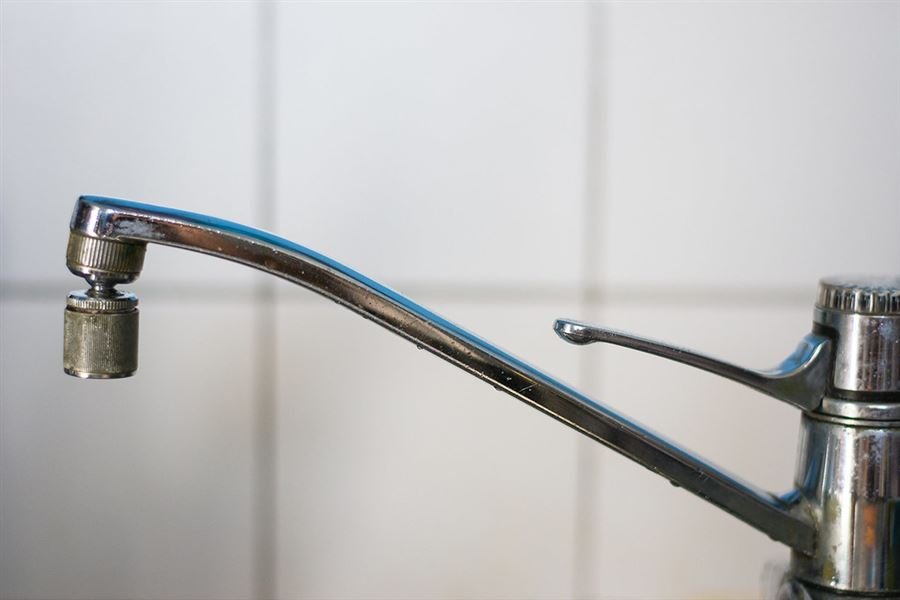
Emergency Plumbing in Palm Beach County and Martin County: local factors
Our region presents particular emergency risks. Hurricane season, which runs from June through November, brings power outages that stop sump and lift station pumps, flooded yards that push water into sewer cleanouts, and wind-borne debris that damages exterior plumbing. After a storm, we see spikes in sewer backups, broken irrigation backflow devices and water heater damage from flooding. Having a plumber you already know makes a stressful week easier.
South Florida homes also carry hidden risks that homeowners elsewhere rarely think about. Slab-on-grade construction hides supply lines in or beneath concrete, where soil movement and corrosion can cause leaks that go unnoticed for months. Older homes may have galvanized steel, polybutylene or cast-iron piping that is reaching the end of its service life. Salt air in coastal communities speeds corrosion of fittings, hose bibs and exposed valves. Knowing where your main shut-off and your meter are located is the best single step you can take.
Condominiums and townhomes add another layer. A leak in one unit can damage several neighbors, and building rules often require licensed work and proof of insurance. Our technicians are familiar with association requirements and can coordinate access with building management.
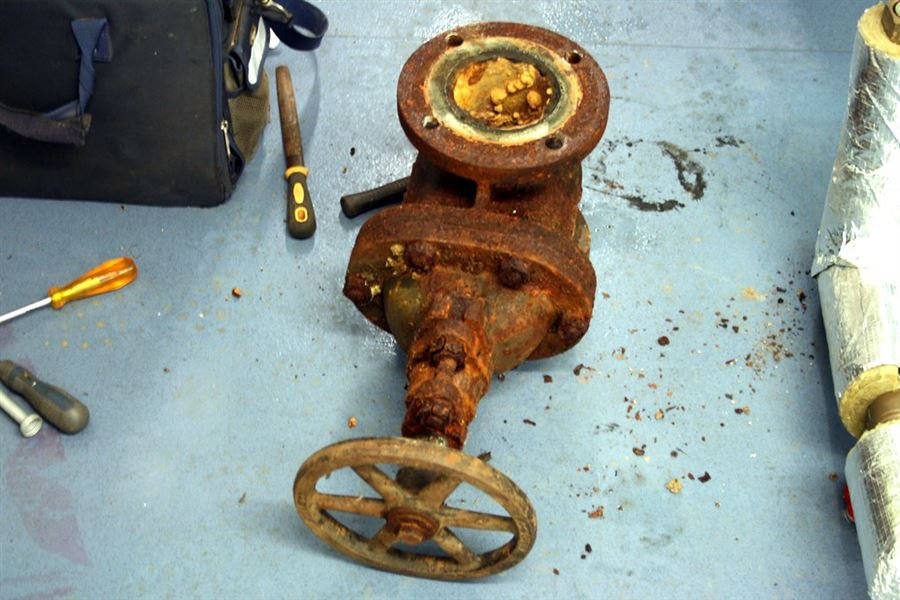
How to prevent problems and extend system life
- Know your main shut-off. Locate the main water valve at the house and the meter box at the street, and test them once a year so they do not seize when needed.
- Replace rubber hoses. Rubber washing machine hoses should be replaced with braided stainless hoses every five years or so.
- Install a leak shut-off device. Smart water monitors can detect abnormal flow and close the main automatically while you are away.
- Check the water heater. Flush the tank annually, inspect the anode rod and note the age. A tank older than about ten years deserves attention.
- Protect exterior plumbing. Insulate exposed outdoor pipes and backflow assemblies if a rare cold front is forecast.
- Keep drains clear. Avoid grease, wipes labeled flushable and other items that cause blockages, and schedule a camera inspection if backups recur.
How to tell a true plumbing emergency from a problem that can wait
When water is where it should not be, it is hard to think clearly. A simple decision framework helps you decide how fast to act and whom to call. Ask three questions. First, is water or sewage actively spreading? Second, is anything unsafe, such as water near electrical outlets, a strong gas smell, or sewage in living areas? Third, can you stop the problem yourself in a few minutes by closing a valve? If the answer to the first or second question is yes and you cannot fully stop it, you have an emergency and should call an emergency plumber right away.
Some situations are emergencies even though they look small at first. A slow drip from the ceiling below an upstairs bathroom can be the early sign of a failed supply line or a leaking shower pan that is soaking framing. A water meter that keeps moving when every fixture is off points to a leak somewhere in the supply system, and if the leak is under a slab, hours matter less than days, but waiting weeks is costly. A toilet that overflows once and then drains is often a fixture clog; a toilet that overflows and a floor drain that gurgles at the same time points to the main line.
Other situations are urgent but not an all-night emergency. A water heater that simply has no hot water, a toilet that runs, a faucet that drips and a single slow drain can wait for a normal appointment as long as no water is escaping. If you are unsure, call and describe what you see. A good dispatcher will ask a few pointed questions and tell you honestly whether it can wait until morning. That honesty saves you an after-hours charge when you do not need one, and it gets you help fast when you do.
Families with infants, elderly relatives or anyone with a medical condition that depends on running water should lean toward calling sooner. So should anyone who owns a rental, because tenants often delay reporting a problem and a small leak can run for days before the landlord hears about it.
The first ten minutes: a step-by-step shut-off and damage-control plan
The actions you take before a plumber arrives often decide how large the repair bill becomes. Start with the main shut-off valve. In most Palm Beach County homes it sits on an exterior wall near the front of the house, in a small box near the meter at the street, or in a garage or utility closet where the supply enters. A ball valve closes with a quarter turn so the handle sits perpendicular to the pipe; an older gate valve closes by turning a round handle clockwise several times. If you have never tested yours, do it on a calm day so you know it works.
Once the water is off, open the lowest faucet in the house and the highest faucet to let pressure and residual water drain out of the lines. Turn off the water heater at its breaker or gas control so the element or burner does not run dry. If the leak is at one fixture, look for the small oval or round shut-off valve on the supply line under the sink or behind the toilet; closing that valve isolates the fixture and lets you keep water on to the rest of the house.
Protect people and property next. If water is dripping from a light fixture or ceiling fan, do not touch the switch; turn off the breaker for that room if you can reach the panel without stepping through water. Move rugs, electronics and furniture out of the wet zone, lift the bottoms of curtains and place towels along door thresholds. Use a wet vacuum if you own one, but never use a household vacuum on standing water.
Document everything. Take wide photos and close-ups of the source, the water on floors and walls, and any damaged belongings before you clean up. Short videos narrated with the date and time are helpful. Insurers want to see the cause and the extent of damage, and photos taken before drying equipment arrives are the most persuasive. Keep failed parts when the plumber removes them, because a corroded valve or cracked connector supports your claim that the loss was sudden.
Finally, call. Tell the dispatcher what you have already done, such as whether the main is off. That tells the plumber what tools and parts to bring and how soon they need to arrive.
Sewage backups: why they are different and how to protect your family
A sewage backup is not just a bigger version of a clogged sink. It is a public health issue. Wastewater can carry bacteria, viruses and parasites, and it contaminates anything it touches. Porous materials such as carpet, drywall, upholstered furniture and cardboard that have been soaked by sewage generally cannot be fully cleaned and are usually removed by restoration professionals.
If sewage is backing up, stop using water. Do not run the dishwasher, washing machine or showers, because every gallon you add can end up on the floor. Keep children and pets out of the area, wear waterproof gloves and boots if you must enter, and avoid mixing bleach with other cleaners. Do not pour chemical drain openers into a backed-up line; they rarely clear a main line blockage, they create a hazard for the plumber and they can damage pipes.
The key diagnostic question is where the blockage sits. If only one fixture is affected, the clog is probably in that fixture's branch line. If the lowest fixtures in the home, such as a ground-level shower or floor drain, back up first, or several fixtures back up together, the main sewer line is blocked. In many South Florida neighborhoods the cause is tree roots entering the line, a section of pipe that has sagged so waste settles, or a buildup of grease and wipes. A cable or hydro-jetter clears the blockage, and a camera shows what caused it so you can decide whether the line needs repair.
If your property sits in a flood-prone area, a heavy rain can overwhelm a municipal sewer or push groundwater into cracked laterals. In that case the backup may not be your line at all. Tell the plumber when the problem started relative to the rain, and ask whether your city or utility should be notified.
Burst pipes, failed supply lines and slab leaks: what actually breaks and why
Pipes fail for a handful of predictable reasons, and understanding them helps you avoid a repeat. Corrosion is the most common. Copper pipe can develop pinhole leaks from the inside in water with aggressive chemistry, and from the outside where it touches concrete, dissimilar metals or damp soil. Galvanized steel rusts from the inside out and narrows until pressure drops and leaks begin. Polybutylene, a gray flexible plastic used in some homes built from the late 1970s into the 1990s, can fail at its fittings.
Pressure is the second culprit. Municipal water pressure can be higher than a home's piping and appliances were designed for, and without a working pressure regulator, fittings and fixtures fatigue early. A hammering sound when a valve closes, which plumbers call water hammer, is a sign of pressure surges and trapped air chambers that have failed.
Third are installation and fixture failures: a cracked toilet connector, a washing machine hose that has been under pressure for a decade, a loose compression fitting or a poorly soldered joint. These small parts cause a large share of indoor floods because they fail suddenly and run until someone shuts off the water.
Slab leaks are in a category of their own because the pipe is hidden under or in concrete. Warning signs include a meter that runs with everything off, warm spots on the floor, the sound of water running, damp or lifted flooring and unexplained bill increases. The first step is electronic leak detection to pinpoint the break. Repair choices include a spot repair through a small opening in the slab, rerouting the line through walls or the attic so the slab is not disturbed, or replacing the line. The right choice depends on the age and material of the pipe, how many leaks it has had and what the rest of the system looks like.
Water heater emergencies: leak, no hot water, or a safety concern
A water heater can generate three different kinds of emergency. The first is a leak. If water is leaking from the tank body, as opposed to a loose fitting at the top, the tank has corroded through and must be replaced. Shut off the cold supply to the heater, turn off power or gas, and open a hot faucet to relieve pressure. If the heater is in an attic or closet above finished space, shut off the main water until the plumber arrives.
The second emergency is a pressure relief valve that is discharging. That valve is a safety device and should not be capped or plugged. A discharging valve can mean excessive temperature, excessive pressure or a worn valve. The cause needs to be found, because the valve exists to prevent a tank from rupturing.
The third is anything involving gas. If you smell gas near the heater, leave the home, avoid switches and flames, and call your gas utility from outside. After the utility declares the home safe, a plumber can inspect the heater, venting and gas connections.
A heater that simply stops making hot water is inconvenient but usually not an emergency. Common causes include a tripped breaker, failed heating elements or thermostat on electric models, and a failed igniter, thermocouple or gas valve on gas models. A technician can usually diagnose it within minutes and tell you whether repair or replacement makes sense, based on the age of the unit and the cost of the part.
What to expect from an emergency visit: the questions, the price and the paperwork
A well-run emergency call has a predictable rhythm. You describe the situation and the dispatcher gives you immediate steps and an arrival window. The plumber arrives, confirms the water is off or stops the leak, and then explains what they found. Before any permanent repair begins you should receive a price and a plain-language description of the work.
Emergency pricing typically has two parts: a service charge for attending outside normal hours and the cost of the repair itself. Reasonable companies explain both. If you are being quoted a very large figure without any explanation or photographs of the problem, ask questions. You are entitled to understand what is being done and why, and you can ask for temporary stabilization, such as capping a line or isolating a fixture, so that you can get a second opinion in the morning when the situation allows.
Ask about permits. Replacing a water heater, a main line or a section of piping may require a permit and inspection depending on the municipality. A professional will explain which parts of the job need one and will not ask you to pull it yourself.
Ask about documentation. Request an itemized invoice that describes the cause of failure, the work performed and any parts replaced. For insurance purposes, ask for photographs of the failed part. Ask about warranties on labor and parts, and have the terms put in writing.
Working with your insurance company after a water loss
Water damage claims are common in Florida, and the first call after the plumber is often to the insurer. Policies differ, but many cover sudden and accidental water discharge while excluding long-term seepage, wear and tear or the cost of repairing the failed pipe itself. Many also cover resulting damage such as water-damaged flooring and drywall. Because details vary, read your policy or call your agent for specifics.
Report the loss promptly, because policies often have notice requirements. Take your photos before drying and cleanup, keep receipts for emergency repairs and temporary housing, and do not discard damaged materials until the adjuster has seen them or given permission. Mitigation, which means taking reasonable steps to prevent further damage, is typically your responsibility, and the cost of a water extraction or emergency plumber is usually reimbursable as part of a covered claim.
A plumber's report can help. A clear description of what failed, when and why helps an adjuster distinguish a sudden failure from a long-term leak. Ask your plumber to note whether the failure was sudden, what materials were involved and whether other parts of the system show similar wear.
If you are a landlord or manage a condominium, check who is responsible for what. In many condominiums the association maintains shared risers and stacks while owners maintain fixtures and lines within the unit. Knowing the boundary helps resolve claims quickly when water travels between units.
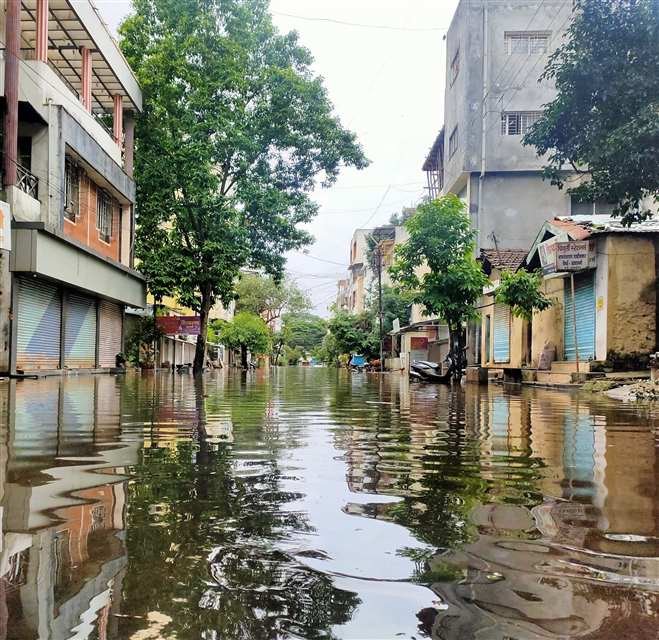
Hurricane season: emergency plumbing preparation that actually helps
Storms bring a specific set of plumbing risks. Heavy rainfall can overwhelm municipal sewers and push water backwards through lines. Power outages stop well pumps and lift stations. Flooded yards fill cleanouts and irrigation backflow assemblies with debris. Wind-borne debris can damage exterior hose bibs, irrigation components and water heater flues.
Before the season begins, locate and test your main water shut-off, and mark it with a tag so family members can find it in the dark. Confirm that your water heater is strapped and that the area around it is clear. Locate your sewer cleanout, make sure the cap is intact and keep vegetation away from it so the plumber can reach it. If you have a backflow assembly, check that it is above grade and undamaged.
When a storm is approaching, fill a few containers with drinking water, charge phones and gather the number of an emergency plumber. If you are evacuating, shut off the main water valve to prevent a burst line from flooding an empty house, and consider switching off the water heater. After the storm, do not use drains if the surrounding area is flooded, since backed-up sewage can enter the house through floor drains and low fixtures.
When water service returns, open faucets slowly and let them run until the water clears. If your utility has issued a boil-water notice, follow it. Look for wet spots, sagging ceilings and unusual sounds from pipes. If any fixtures drain slowly or gurgle, have a sewer camera inspection before assuming everything is fine.
Common emergency mistakes that make plumbing problems worse
Several well-meaning actions increase damage. Using chemical drain cleaner on a main line blockage is one of the most common. The chemicals sit in standing water, can damage pipes and expose plumbers to burns. Plunging a toilet that is overflowing because the main line is blocked pushes more water onto the floor. Continuing to flush a toilet that is rising wastes the little capacity left in the line.
Another mistake is shutting off only the fixture valve when the leak is inside the wall. If you can still hear water running, close the main. Others turn the water back on to see whether the problem is fixed, and the leak resumes. Wait until the repair is complete and tested.
Waiting is also a mistake. A drip becomes a stream, and moisture in wall cavities begins to grow mold within a day or two in humid conditions. Calling early costs far less than remediation.
Finally, attempting complex repairs with the wrong materials causes later failures. Push-fit fittings are useful for emergency stabilization, but they should not be used in every situation, and tape on threaded fittings should be applied correctly. When in doubt, ask a professional to make the connection safe and plan the permanent repair for a time when conditions are calm.
Preparing a household emergency plumbing kit and plan
A small kit pays for itself the first time you need it. Include a flashlight and spare batteries, an adjustable wrench, a basin wrench, a plunger designed for toilets and another for sinks, a roll of plumber's tape, a few spare braided supply lines, a bucket, old towels and a pair of waterproof gloves. Add the phone number of a licensed plumber and your insurance agent on a card kept with the kit.
Teach every adult in the household how to shut off the main water, the water heater and the electrical breaker for the kitchen and laundry. Practice with children old enough to understand. Label the valves with durable tags and take a photo of each location for reference.
Consider upgrading to a smart water monitor or automatic shut-off valve. These devices track flow, detect abnormal patterns such as a running toilet or a pipe leak and can close the main valve automatically. They are particularly valuable for second homes, rentals and anyone who travels frequently.
Review your plan every spring. Replace old hoses, test valves, check the water heater and confirm that everyone still knows where the shut-offs are. A few minutes of preparation turns a crisis into an inconvenience.
Emergency Plumbing frequently asked questions
What counts as a plumbing emergency?
A plumbing emergency is any failure that is causing active damage or health risk: a burst pipe, a sewage backup, a water heater leaking heavily, or a loss of all water. If water is spreading or sewage is involved, treat it as an emergency and call right away.
What should I do before the plumber arrives?
Turn off the main water valve, switch off the water heater at the breaker or gas control, move valuables and electronics away from water, and open faucets at the lowest point to relieve pressure. Do not use electrical items standing in water.
How fast can you get to my home?
Response time depends on traffic, time of day and where our technicians are, but we dispatch the closest available plumber immediately and give you an estimated arrival time when you call.
Do you charge more for nights and weekends?
Emergency visits outside normal hours carry an after-hours rate, which we explain before dispatching. You approve the price before work begins.
Will you help with my insurance claim?
We document the cause and location of the failure with photographs and a written description that you can give to your adjuster. We cannot guarantee how a claim will be decided, but good documentation helps.
Can you fix a burst pipe the same day?
In most cases yes. We carry common pipe, fittings and valves, and we can usually complete a permanent repair or a safe temporary one during the first visit.
Is a sewage backup an emergency?
Yes. Sewage contains bacteria and viruses and can ruin flooring and drywall quickly. Avoid contact, keep children and pets away, and call a plumber immediately.
What if the leak is under my slab?
We use electronic detection to find the leak without unnecessary demolition and then present options such as spot repair, rerouting or replacing the line, based on the condition of the piping.
Emergency Plumbing service areas
Buckeye Plumbing provides emergency Plumbing in 56 communities across Palm Beach County and Martin County, including Atlantis, Boca Raton, Boynton Beach, Briny Breezes, Cloud Lake, Delray Beach, Glen Ridge, Golf and many more. Choose your community to see local information.
- Atlantis
- Boca Raton
- Boynton Beach
- Briny Breezes
- Cloud Lake
- Delray Beach
- Glen Ridge
- Golf
- Greenacres
- Gulf Stream
- Gun Club Estates
- Haverhill
- Highland Beach
- Hobe Sound
- Hypoluxo
- Jensen Beach
- Juno Beach
- Juno Ridge
- Jupiter Farms
- Jupiter Inlet Colony
- Jupiter
- Jupiter Island
- Kenwood Estates
- Lake Belvedere Estates
- Lake Clarke Shores
- Lake Park
- Lake Worth
- Lantana
- Limestone Creek
- Loxahatchee Groves
- Manalapan
- Magnolia Park
- North Palm Beach
- Ocean Breeze
- Ocean Ridge
- Palm Beach Gardens
- Palm Beach Shores
- Palm Beach
- Palm City
- Palm Springs
- Pine Air
- Riviera Beach
- Royal Palm Beach
- Royal Palm Estates
- San Castle
- Schall Circle
- Seminole Manor
- South Palm Beach
- Stacey Street
- Stuart
- Tequesta
- The Acreage
- Watergate
- Wellington
- West Palm Beach
- Westlake