Wellington Plumber for Homes, Barns and Businesses

Need a Wellington plumber? Water heaters, drains, irrigation backflow and barn plumbing for homes and equestrian properties.

  • Licensed & insured
  • Upfront pricing
  • Clean, courteous techs
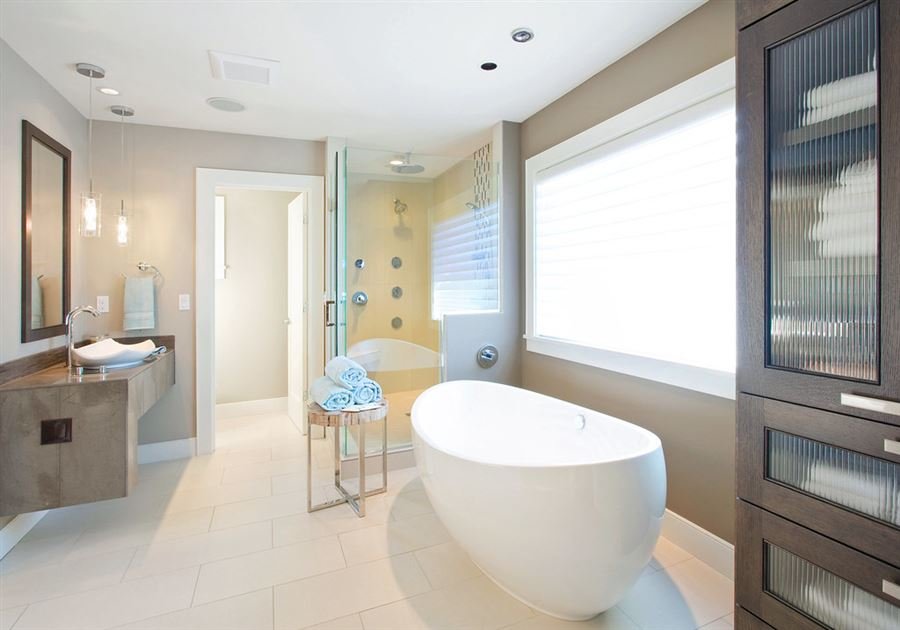
Bright luxury bathroom with a freestanding tub, double vanity and glass-enclosed shower (Palm Beach and Martin County plumbing)
Schedule your visit today.Same-day appointments are often available for repairs and installations.

Plumber in Wellington, FL: quick answer

Quick answer: Buckeye Plumbing is a licensed, insured plumbing company serving Wellington in Palm Beach County, Florida, with emergency repairs, drain and sewer cleaning, water heaters, leak detection and more, priced upfront.

Wellington is a large village known for equestrian events, golf communities and large homes, with extensive pool, irrigation and outdoor plumbing. Our technicians work with family neighborhoods, golf and lake communities, townhomes and a mix of established and newer single-family homes.

Modern bathroom with a long vanity, tall windows and a frameless glass shower
Ready to get this fixed?Talk with a licensed local plumber and get a clear price before work begins.

Plumbing in Wellington: what local owners should know

Wellington is a large village known worldwide for equestrian sport, with the Palm Beach International Equestrian Center and the Winter Equestrian Festival drawing visitors each season, plus golf communities and the Mall at Wellington Green. Equestrian properties often have barns, wash racks, large irrigation systems and guest quarters, all with their own plumbing.

We service barn and stable plumbing, water heating for guest cottages and large homes, backflow assemblies on irrigation and pool supply lines, and drain and sewer systems in neighborhoods across the village. Seasonal demand means winter is busy, and we recommend scheduling inspections in the off-season.

Questions? We are happy to help.Call or request a quote online and we will respond quickly.

Common projects and storm-season planning

Wellington projects include barn and stable plumbing, wash racks, guest cottage water heating, irrigation backflow assemblies, pool supply lines and drain work for large homes.

The equestrian season fills the village in winter, so schedule inspections in the off-season. Before storm season, check backflow assemblies and barn shut-offs.

Skip the guesswork.Get an honest diagnosis and options from a plumber who explains everything.

Services available here

What we pay attention to here

We handle the everyday repairs of busy households: leaky faucets, running toilets, slow disposals and appliance hookups.

Service lines on suburban lots can be repaired or replaced with minimal disruption, including trenchless options.

Slab-on-grade homes hide supply lines beneath concrete; we locate leaks accurately and offer options such as spot repair or rerouting.

Utility crew in hard hats and work shirts reviewing a job site together
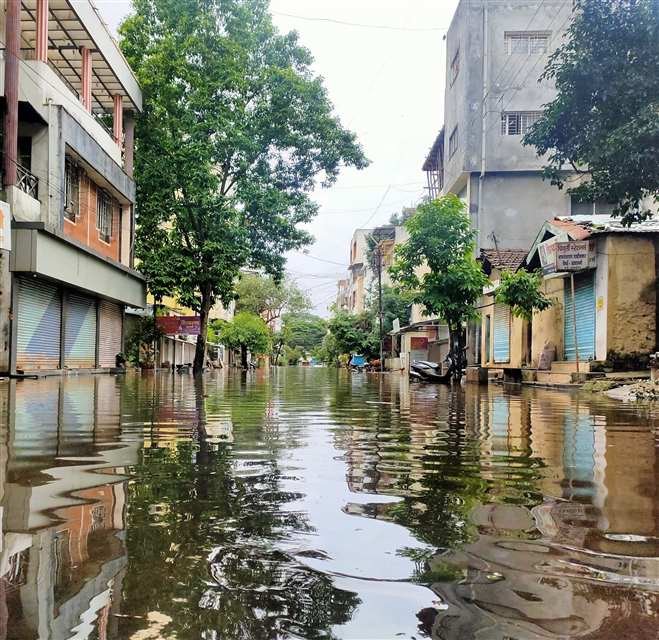
Flooded street lined with buildings and trees after heavy rain (Palm Beach and Martin County plumbing)
Schedule your visit today.Same-day appointments are often available for repairs and installations.

Common plumbing problems nearby

  • Mature trees send roots into sewer laterals, causing recurring slow drains and backups.
  • Water heaters in garages and attics fail quietly and can leak into finished spaces.
  • Hard water scale shortens the life of faucets, cartridges and water heaters.
  • Irrigation systems require backflow protection that needs annual testing in many communities.
  • Busy households put heavy demand on drains, toilets and disposals.
Need a plumber you can trust?Call now for fast, friendly service across Palm Beach and Martin Counties.

Plumbing service near Wellington

We also serve Royal Palm Beach, Loxahatchee Groves, Westlake, The Acreage. See the full list of communities on our service areas page.

Ready to get this fixed?Talk with a licensed local plumber and get a clear price before work begins.

Finding a Wellington plumber who understands horse country and family neighborhoods alike

Wellington is a village with two personalities that sit side by side. One is the equestrian capital that fills with riders, grooms, trainers and spectators every winter around the Palm Beach International Equestrian Center and the Winter Equestrian Festival, with horse farms, barns, wash racks and guest cottages across neighborhoods such as Palm Beach Point, Equestrian Club Estates and Paddock Park. The other is a family suburb of newer subdivisions, parks, schools and shopping near the Mall at Wellington Green, where homes look like those in any growing Florida community.

A plumber who serves both worlds has to understand very different systems. A barn needs durable hose connections, wash-rack drains, hot water for horses and tack rooms and freeze-resistant or well-protected hose bibs. A family home needs water heaters, fixtures, irrigation backflow assemblies and drains that stay clear. Estate properties often combine both, with a large main house, a guest house, a barn, a pool and a long driveway with its own water line.

If you are looking for a plumber in Wellington, ask direct questions. Is the company licensed and insured? Does it have experience with barns, wells, septic systems and large irrigation systems, or only with standard suburban homes? Can it respond quickly during the busy winter season? Will it give a firm written price after diagnosis? Can it handle permits and work within association rules?

Buckeye Plumbing serves Wellington homeowners, farm owners, associations and businesses. The sections that follow explain what we see in the village and how to plan for it.

Questions? We are happy to help.Call or request a quote online and we will respond quickly.

Plumbing for horse properties: barns, wash racks, tack rooms and paddocks

Barn plumbing has demands that residential plumbing does not. Horses drink large amounts of water, so automatic waterers and troughs need reliable supply lines with shut-offs and, ideally, backflow protection. Wash racks need drains that handle large volumes of water, soap and sand without clogging, and they need hot water that does not run out when several horses are bathed in a row. Tack rooms and grooms' quarters need ordinary fixtures, often in buildings far from the main house.

Long underground water lines are common. A leak in a line to a barn may go unnoticed for weeks and show up as a high bill, a pump that runs constantly or a wet patch in a paddock. Acoustic leak detection can find the leak so the repair is made at the right spot. Where lines are old galvanized pipe or early plastic, replacement with modern polyethylene or PEX is often better than repeated repairs.

Drains in barns and wash racks collect sand, hair and manure, and they need accessible cleanouts and generous sizing. Avoid sending barn waste into a septic system that was designed for household use. Discuss disposal with a professional and check local rules.

Hot water for a barn can come from a tank heater, a tankless unit or a dedicated circuit and heater near the wash rack. Choose a unit sized for peak use and protect it from dust, humidity and animals. Install a drain pan, shut-offs and a leak sensor.

Seasonal events fill the village in winter, so schedule barn plumbing work in the quieter months. A pre-season walk-through that tests every hose bib, waterer and wash rack is a good habit.

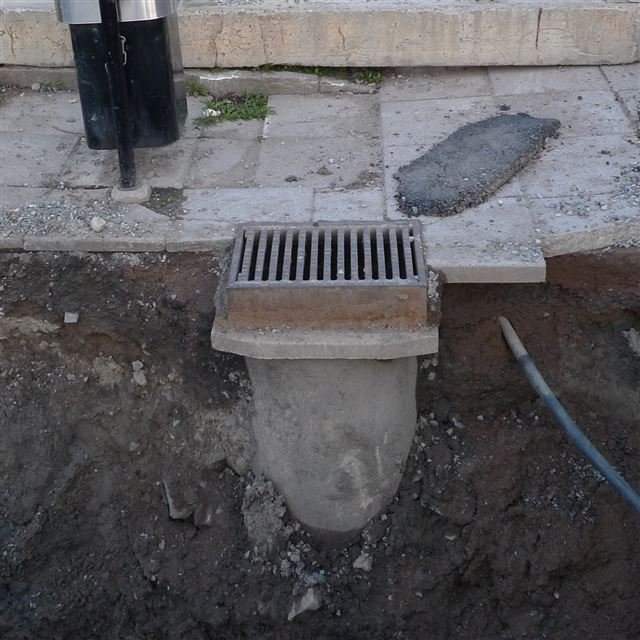
Concrete floor drain with a steel grate set into an open excavation beside a hose
Skip the guesswork.Get an honest diagnosis and options from a plumber who explains everything.

Wells, septic systems and long service lines in western Wellington and nearby areas

Not every Wellington property is on municipal water and sewer. In parts of the village and in neighboring areas to the west, many homes and farms use private wells and septic systems. Well systems depend on a pump, a pressure tank, a pressure switch and often treatment equipment. Septic systems depend on a tank and a drain field. Both are sensitive to how they are used and maintained.

Typical well problems include a waterlogged pressure tank that makes the pump cycle rapidly, a failing pump, clogged filters, low pressure and discolored water. A plumber familiar with wells can diagnose pressure and cycling issues, replace tanks and switches and install treatment equipment. A well contractor handles pump replacement and casing problems.

Septic-connected drains need gentler methods. Avoid chemical cleaners. Hydro-jetting building drains is generally acceptable with care, but jetting into the tank or field requires attention. If slow drains affect the whole house, the tank or field may be the issue, and a septic professional should evaluate.

Large properties often have long water lines to barns, guest houses and pool equipment. Know where they run. Mark the routes on a property map and share it with contractors, since many leaks begin when equipment damages a buried line.

Test well water annually and after flooding. Choose treatment based on test results rather than guesswork.

Schedule your visit today.Same-day appointments are often available for repairs and installations.

Water heaters in Wellington: homes, guest cottages and barns

Water heaters in Wellington range from small units in guest cottages to multiple large heaters in estates and commercial-size units in barns. Typical tank heaters last eight to twelve years, less in hard water or in well-fed systems with sediment. If you are researching water heater repair in Wellington, first decide whether the unit is worth repairing. A newer unit with a simple failure is usually worth repairing. An older unit or one that leaks from the tank should be replaced.

Well water adds considerations. Sediment and iron shorten heater life. A sediment filter ahead of the heater helps, and annual flushing is important. In hard water, an anode rod check every few years extends life.

For large homes, consider multiple heaters or a recirculation loop to avoid long waits. For guest houses used seasonally, consider a smaller heater and a switch or timer to turn it off when the house is empty. For barns, size heaters to peak demand and install them where they are protected from dust and animals.

Heat pump water heaters are efficient in the climate. Tankless units provide continuous hot water but need proper gas or electrical capacity and descaling. Ask for a written comparison of options.

Need a plumber you can trust?Call now for fast, friendly service across Palm Beach and Martin Counties.

Irrigation, backflow and landscape plumbing in a green, horse-friendly village

Wellington's landscapes are lush, and arenas, paddocks and lawns need water. Irrigation systems tied to potable water need backflow assemblies tested annually under local rules. Common problems include fouled check valves, damaged assemblies and assemblies installed too low. Arena irrigation, which keeps footing safe and dust down, can have its own supply lines and pumps.

Leaks in irrigation lines waste water and erode footing. Watch for soggy spots, weak zones and unexplained bill increases. Smart controllers and rain sensors reduce use. For properties that draw from ponds or canals, keep that water separate from potable plumbing.

If you receive a backflow notice, schedule early. A certified tester checks the assembly and a plumber can repair it if it fails. Keep each year's report with your records.

Coordinate with irrigation, arena and landscape contractors when making changes. New zones, fertilizer injectors and pumps should connect downstream of approved protection.

Ready to get this fixed?Talk with a licensed local plumber and get a clear price before work begins.

Preparing for the equestrian season: a plumbing checklist for farm owners, renters and event hosts

The winter season changes Wellington. Properties that sit quiet through summer fill with horses, staff and guests, and plumbing that has been idle must suddenly work at full capacity. A pre-season checklist prevents failures at the worst time. Walk the property early in the fall. Turn on every hose bib, waterer and wash rack and look for leaks. Flush every bathroom and run every shower. Check water heaters for leaks and age. Inspect pressure tanks and well equipment.

Test backflow assemblies and irrigation zones. Check septic tank levels if the system has been lightly used. Review the load on septic systems if you plan to host staff or guests, because a system designed for a few people can be overwhelmed by a crowd. Consider temporary arrangements for peak events rather than overloading permanent systems.

For renters and seasonal tenants, clarify responsibilities in the lease. Who maintains the well, the septic system and the barn plumbing? Who pays for repairs? Provide tenants with shut-off locations and emergency contacts. Document the condition of plumbing at move-in.

Schedule major work in the off-season. Replacing a water heater or repairing a barn line in July is easier than doing it during peak weeks.

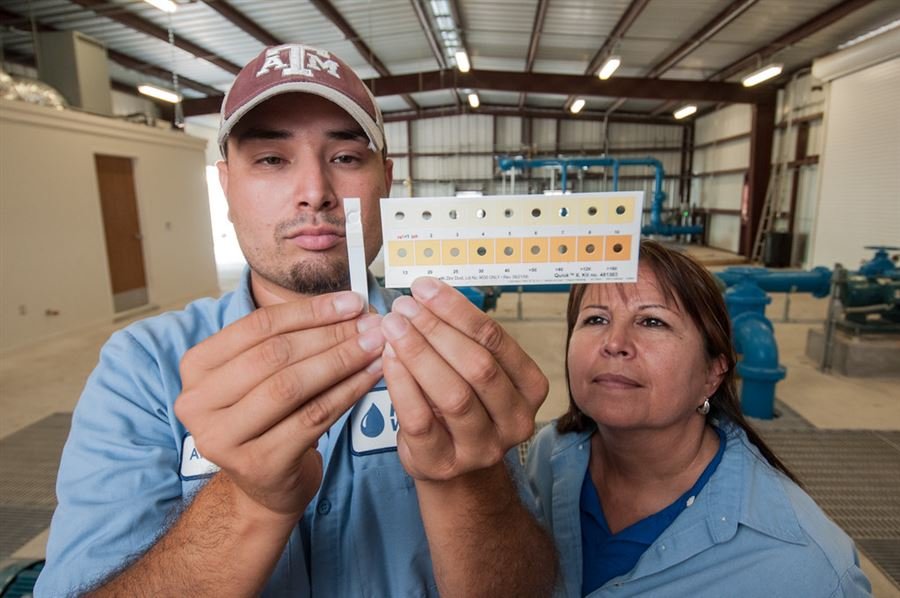
Two water utility workers reading a water test strip inside a pump facility
Questions? We are happy to help.Call or request a quote online and we will respond quickly.

Commercial plumbing in Wellington: retail, restaurants, offices and equestrian businesses

Wellington's commercial side includes shopping centers, restaurants, medical offices, schools and many equestrian-related businesses such as tack shops, veterinary practices and boarding facilities. Each has plumbing needs that a general approach may miss. A veterinary clinic needs sinks, drains and equipment connections designed for animal care. A boarding facility needs robust water supply and drainage. Restaurants need grease management. Retail centers need dependable restrooms.

If you are looking for a commercial plumber in Wellington, ask about after-hours service, emergency response and maintenance programs. Ask whether the company has experience with agricultural or equestrian facilities. Ask how it documents work and whether it can coordinate with your landlord or property manager.

Seasonal demand matters. Many businesses see their busiest period in winter. Plan maintenance for the off-season, and keep an emergency contact for peak weeks.

For tenant improvements, coordinate plumbing with the general contractor, permits and inspections. Discuss restroom counts and accessibility early.

Skip the guesswork.Get an honest diagnosis and options from a plumber who explains everything.

Leak detection and water-loss control on large Wellington lots

Large lots mean long pipes, and long pipes mean more places to leak. A leak in a service line, an irrigation main or a barn supply can waste thousands of gallons before it is noticed. Signs include a meter that runs with everything off, a pump that runs constantly, a pressure drop, soggy ground and bill increases.

Start with a meter test. Turn off all water, read the meter, wait an hour and read it again. If it moves, close the main at the house and check again. If it still moves, the leak is in the line between the meter or well and the house. If it stops, the leak is inside the house, in irrigation or in a branch line to an outbuilding.

Isolate sections using valves. Closing the valve to the barn and checking the meter again narrows the search. Acoustic equipment can then pinpoint the leak without digging up the whole line.

Consider installing a smart water monitor and automatic shut-off at the main. For large properties, consider zone valves that let you isolate the barn, the guest house and the irrigation separately.

Schedule your visit today.Same-day appointments are often available for repairs and installations.

Storm preparation for horse farms and large properties in Wellington

Hurricane preparation on a large property includes the usual steps, such as testing the main shut-off, securing the water heater and clearing cleanouts, and several that are specific to farms. Know how to shut off water to barns and outbuildings separately. Store drinking water for people and horses, since power outages stop well pumps. Consider a generator with the capacity to run the well pump, and know how to connect it safely.

After a storm, inspect barns and outbuildings for damage to supply lines and hose bibs. Check wells and septic systems for flooding. Do not use contaminated well water until it has been tested. Open faucets slowly when service returns and flush lines.

Standing water after heavy rain can affect septic systems. Avoid heavy water use until soil dries. If drains are slow or backing up, call a professional.

Keep a small kit in the barn: flashlight, wrench, spare hose fittings and a shut-off key for the main.

Need a plumber you can trust?Call now for fast, friendly service across Palm Beach and Martin Counties.

Wellington frequently asked questions

Do you work on barns and wash racks? Yes. We repair and install barn plumbing, waterers, hose bibs, wash-rack drains and hot water.

Can you service wells and pressure tanks? We handle pressure tanks, switches and treatment equipment. For pump replacement or casing issues, we coordinate with a well contractor.

What about septic systems? We clear building drains with methods that protect the system and tell you when a septic professional should lead.

Do you serve Wellington communities with associations? Yes. Share the rules and we will provide certificates of insurance and coordinate access.

How soon can you arrive? We dispatch the closest available plumber and give an estimated window. Emergencies are prioritized.

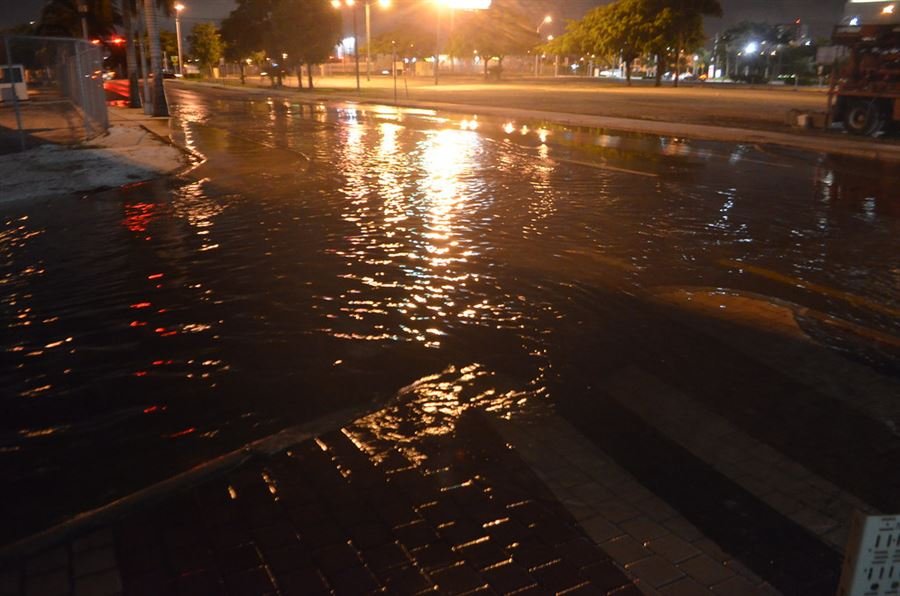
Street flooded with standing water reflecting lights at night (Palm Beach and Martin County plumbing)
Ready to get this fixed?Talk with a licensed local plumber and get a clear price before work begins.

Scenarios from Wellington properties: how decisions typically unfold

Consider a farm owner who notices that the well pump runs more often than it used to and that the electric bill has risen. A meter test shows no leak in the house, but isolating the barn line shows flow. Acoustic detection finds a crack in an old galvanized section near a paddock gate. The plumber replaces the damaged run with polyethylene pipe, adds a shut-off valve at the barn and tests the line under pressure. The pump settles back to its normal rhythm, and the bill follows.

Consider a seasonal renter who arrives in the fall to find the guest cottage's water heater dripping. The plumber finds a corroded tank and a relief valve that has been weeping. The owner chooses a heat pump unit with a drain pan and a leak sensor, and the tenant moves in on schedule.

Consider a family in a newer subdivision whose irrigation backflow assembly fails its annual test. The plumber replaces worn seats, retests the assembly and files the report. The family receives a copy and sets a reminder for next year. The whole process takes less than an hour.

These are illustrations rather than specific customers. They show how a plumber who understands both horse country and suburban Wellington can match the solution to the property.

Questions? We are happy to help.Call or request a quote online and we will respond quickly.

A year-round Wellington plumbing calendar

In late summer, prepare for the equestrian season: test hose bibs, waterers and wash racks, check water heaters, inspect pressure tanks and test backflow assemblies. In fall, review septic loads and well treatment, and schedule any repairs before the busy period. In winter, watch for heavy-use problems such as clogged drains and failing fixtures, and keep emergency numbers handy.

In spring, as the season winds down, schedule larger projects: replacing water heaters, repairing barn lines, upgrading fixtures and adding monitoring devices. In early summer, prepare for hurricane season by testing the main shut-off, clearing cleanouts, storing water and reviewing generator arrangements for well pumps.

Throughout the year, read your meter monthly, check under sinks and keep a log. A simple record of dates and findings helps your plumber and supports insurance and sales.

Skip the guesswork.Get an honest diagnosis and options from a plumber who explains everything.

Choosing between repair and replacement for aging farm and barn plumbing

Older barns and outbuildings often have plumbing that was installed by whoever was available and has been patched ever since. Galvanized pipe, mixed fittings, undersized lines and hose bibs without backflow protection are common. When something fails, the temptation is to patch it. Sometimes that is right, and sometimes it is not.

Patch when the failure is isolated and the rest of the line is sound. Replace when the line has leaked repeatedly, when flow is poor because the pipe is corroded or undersized, or when the installation does not meet code or safety standards. A plumber can pressure test the line, inspect accessible sections and explain which situation you are in.

Replacement offers an opportunity to improve. Use modern pipe, add shut-off valves at logical points, protect lines from sun and impact, install backflow protection and plan drains that can be maintained. A well-designed barn system is easier to winterize, easier to maintain and safer for animals and people.

Schedule your visit today.Same-day appointments are often available for repairs and installations.

Safety around barns, water and electricity

Barns combine water, electricity, animals and flammable materials, so plumbing safety goes hand in hand with electrical safety. Keep outlets and wiring away from wash racks and hose bibs, use ground-fault protection on circuits near water and make sure that heaters in wash areas are installed to code and protected from moisture and dust. Do not run extension cords through wet areas.

Check hose bibs and waterers for leaks that can create slippery floors or ice-like conditions on concrete, which are hazardous for people and horses. Install drains that carry water away from walkways and stalls. Mark shut-off valves clearly so that anyone can stop water quickly.

Hot water temperature matters too. Set heaters to a safe temperature and install mixing valves where animals or people could be scalded. If grooms or guests use shared showers, post a note on shut-off locations and what to do in an emergency.

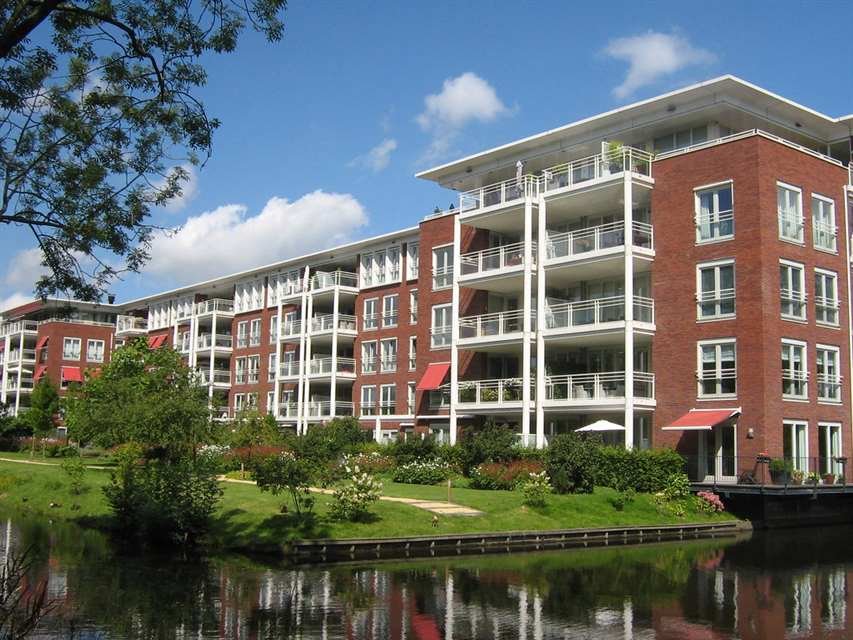
Red-brick apartment building with balconies beside a canal and green lawn
Need a plumber you can trust?Call now for fast, friendly service across Palm Beach and Martin Counties.

Where to start if your barn or farm plumbing has never been reviewed

Begin with a walk-through. A plumber can review the supply lines, valves, hose bibs, waterers, drains and water heaters, test pressure and flow and identify items that are unsafe or failing. The result is a prioritized list: urgent safety items, repairs that should happen this year and upgrades that can wait.

Add a simple map. Sketch the property and mark the main shut-off, the lines to each building, the locations of valves and cleanouts and any wells or septic components. Share the map with everyone who works on the property.

Then set a schedule. Many owners choose an annual review in late summer, before the equestrian season, to find problems while there is time to fix them.

Ready to get this fixed?Talk with a licensed local plumber and get a clear price before work begins.

Paying attention to water efficiency on a working property

Horse properties use a lot of water, and savings are possible without sacrificing animal care. Repair leaking waterers and hose bibs promptly. Use shut-off nozzles on hoses. Choose efficient irrigation controllers with rain sensors and tune arena irrigation to actual need. Fix leaks in long underground lines quickly, since they can waste far more water than a dripping faucet.

Monitor your meter or well pump run time. A change in pattern is an early warning. A smart monitor can alert you to unusual flow overnight, when the barn should be quiet.

Consider collecting rainwater for non-potable uses where allowed, keeping it completely separate from potable plumbing. A plumber can advise on safe design and code requirements.

Questions? We are happy to help.Call or request a quote online and we will respond quickly.

Frequently asked questions

Do you provide plumbing service in Wellington?

Yes. Buckeye Plumbing serves Wellington in Palm Beach County, Florida, including emergency calls, drain and sewer work, water heaters, leak detection and inspections.

How quickly can a plumber arrive?

We dispatch the closest available technician and give an estimated arrival time when you call. Emergencies receive priority.

What plumbing problems are most common nearby?

Mature trees send roots into sewer laterals, causing recurring slow drains and backups. Water heaters in garages and attics fail quietly and can leak into finished spaces.

Is Buckeye Plumbing licensed and insured?

Yes. We are a licensed and insured plumbing contractor, and we pull permits where local codes require them.

How do I request service?

Call (858) 363-8287 or use the quote form on our contact page, and we will confirm your appointment and arrival window.

Skip the guesswork.Get an honest diagnosis and options from a plumber who explains everything.
Call NowFree Quote