Quick answer: Buckeye Plumbing is a licensed, insured plumbing company serving Loxahatchee Groves in Palm Beach County, Florida, with emergency repairs, drain and sewer cleaning, water heaters, leak detection and more, priced upfront.
Loxahatchee Groves is a rural town of wide lots, citrus groves and equestrian properties, where wells, septic systems and long water lines are the norm. Our technicians work with larger lots, equestrian properties, custom homes and farms, many with private wells and septic systems.
Need a plumber you can trust?Call now for fast, friendly service across Palm Beach and Martin Counties.
Plumbing in Loxahatchee Groves: what local owners should know
Loxahatchee Groves is a rural town of wide lots, canals and equestrian and agricultural properties, with a character that is very different from the coastal cities. Many homes use private wells and septic systems, and long driveways mean long supply runs to barns, guest cottages and outdoor spaces.
Well pumps, pressure tanks, sediment and iron are the everyday issues, along with hose bibs and frost-free spigots at barns and paddocks. We service and replace well-fed plumbing, install water heaters suited to well water, locate leaks along long lines and keep outbuilding plumbing working.
Ready to get this fixed?Talk with a licensed local plumber and get a clear price before work begins.
Projects here include well pump and pressure tank service, water heaters for well water, barn and paddock plumbing, long-line leak detection and septic-safe drain cleaning.
Power outages stop well pumps, so store water before storms and consider backup power. After flooding, inspect wells and septic components before resuming normal use.
Questions? We are happy to help.Call or request a quote online and we will respond quickly.
A plumber for Loxahatchee Groves and Loxahatchee: rural plumbing is its own specialty
The Town of Loxahatchee Groves sits in the western part of Palm Beach County, near Wellington, The Acreage and Royal Palm Beach, and is known for its rural character: wide lots, citrus and agricultural land, horse properties, canals and many roads that are deliberately left unpaved. The surrounding area known as Loxahatchee shares much of that landscape. People who live here chose space and quiet, and their plumbing is different from that of a subdivision in a city.
In most of the town, homes and farms rely on private wells for water and septic systems for wastewater instead of municipal utilities. That changes almost everything about plumbing. There is no utility to call when water pressure drops, because the homeowner owns the pump and the pressure tank. There is no municipal sewer to carry away problems, because the septic system is on your own land. Long driveways mean long water lines, and outbuildings such as barns, workshops and guest cottages add more plumbing to maintain.
If you are looking for a plumber in Loxahatchee Groves or Loxahatchee, ask whether the company understands wells, pressure tanks, septic-connected drains and agricultural plumbing. Ask whether it can diagnose pump and pressure problems or will refer you to a well contractor when needed. Ask about response times, since rural addresses may be farther from the shop. Ask for a written price after diagnosis, and ask whether the company will tell you honestly when a problem belongs to a septic or well specialist.
Buckeye Plumbing serves Loxahatchee Groves and nearby rural communities. This page explains what we see there and how to plan for it.
Ready to get this fixed?Talk with a licensed local plumber and get a clear price before work begins.
How a private well system works, and what usually goes wrong
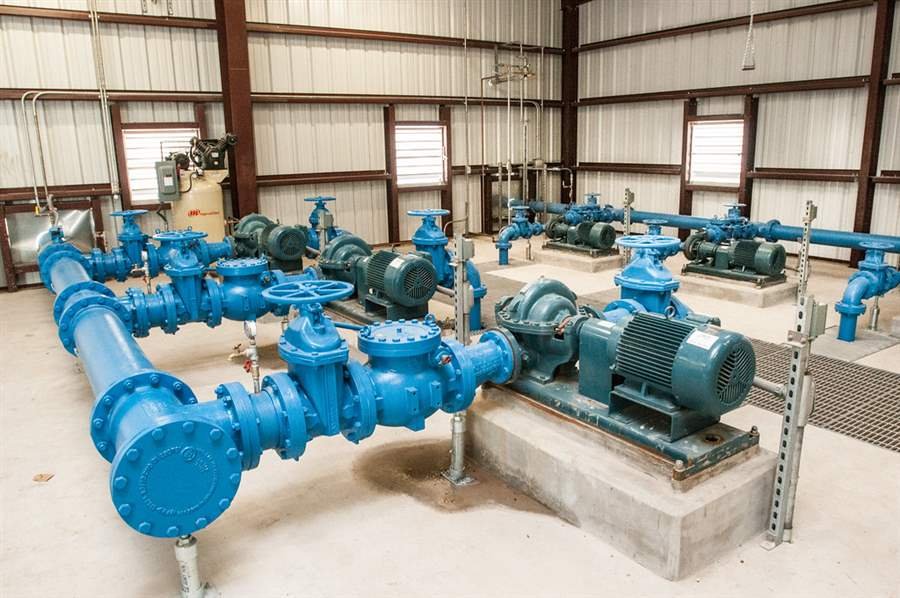
A typical residential well system has a pump, a pressure tank, a pressure switch, a well cap and casing, and piping to the house. A submersible pump sits down in the well and pushes water up. A jet pump sits above ground. The pressure tank stores water under pressure so that the pump does not run every time you open a tap. The pressure switch turns the pump on when pressure falls to a set point and off when it reaches the upper point.
The most common problem is a waterlogged pressure tank. A bladder or air charge inside the tank cushions the water. When the bladder fails or the air charge is lost, the tank cannot hold pressure, and the pump cycles on and off rapidly. Short-cycling shortens the pump's life and shows as pulsing pressure at the tap. Replacing or recharging the tank usually solves it.
Other problems include a failing pump that delivers less water, a clogged sediment filter that reduces flow, a worn pressure switch, a leak in the line that makes the pump run constantly and low water levels in dry periods. Symptoms include sputtering faucets, low pressure, pump noise, rising electricity bills and, occasionally, air in the lines.
A plumber can diagnose pressure, cycling and flow problems, replace pressure tanks, switches and filters and find leaks in the line. A well contractor handles pumps in the well, casing repairs and deepening. Knowing which professional to call saves time.
Questions? We are happy to help.Call or request a quote online and we will respond quickly.
Water quality in a well-fed home: iron, sulfur, hardness and sediment
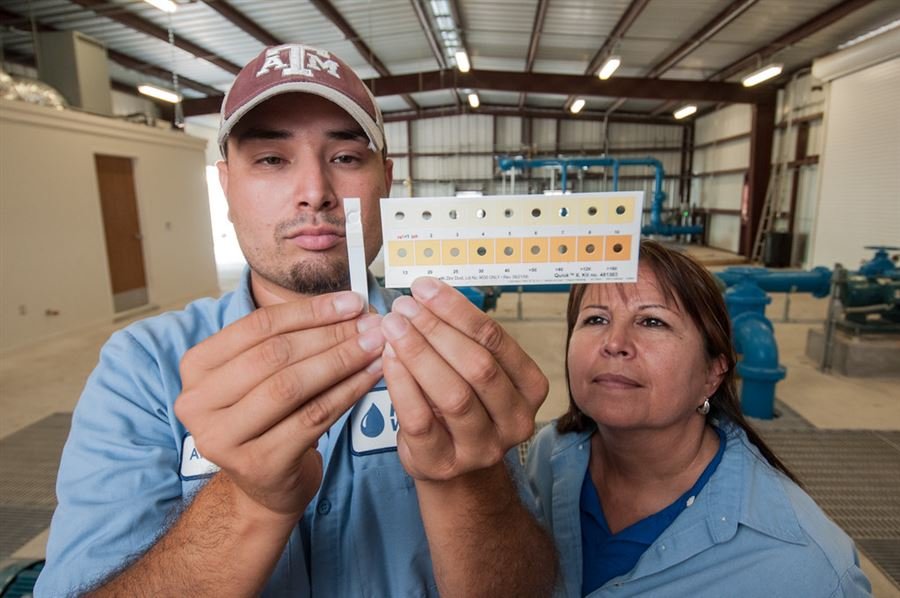
Well water is not treated by a utility, so its quality depends on the ground it comes from. In this part of Florida, common issues include hardness, iron that stains fixtures orange, hydrogen sulfide that smells like rotten eggs and fine sediment that clogs filters. Some wells also contain bacteria or other contaminants. The only way to know is to test.
Test annually through a certified laboratory, and test after flooding, repairs or any change in taste, color or smell. Ask the lab what to test for: bacteria, nitrates, hardness, iron, sulfur, pH and any local concerns. A plumber can collect samples correctly if you prefer.
Treatment depends on the problem. A sediment filter removes particles. A softener removes hardness and, within limits, some iron. An iron filter handles higher iron levels. An aeration or oxidizing system treats sulfur. A carbon filter improves taste and odor. Ultraviolet disinfection treats bacteria. Reverse osmosis at the kitchen tap addresses a broader range of dissolved substances. Choose equipment based on test results and maintain it on schedule.
A water heater in a well-fed home suffers from sediment and iron. A filter ahead of the heater and annual flushing extend its life.
Skip the guesswork.Get an honest diagnosis and options from a plumber who explains everything.
Septic-connected plumbing: protecting the system while keeping drains clear
A septic system has two main parts: a tank that separates solids from liquids and a drain field that disperses treated liquid into the soil. Bacteria in the tank break down waste. The system works well when it is used as designed and maintained. It fails when solids, grease, chemicals or too much water overwhelm it.
Protect the system with simple habits. Spread laundry across the week instead of doing many loads in a day. Fix leaks promptly, since a running toilet can flood a drain field. Avoid flushing wipes, feminine products and anything but toilet paper. Keep grease out of the drain. Avoid harsh chemical cleaners and large amounts of bleach. Keep vehicles and heavy equipment off the drain field and keep deep-rooted trees away from it.
Pump the tank on a schedule recommended by a professional, commonly every few years depending on tank size and household use. Keep records of pumping and inspections. If you notice slow drains throughout the house, gurgling, odors, wet or unusually green areas over the field or sewage backing up, call a professional promptly.
When a drain clogs, choose methods that protect the system. A plumber can clear building drains with a cable or careful jetting up to the tank, and can tell you when the problem is the tank or field and a septic professional should take over.
Schedule your visit today.Same-day appointments are often available for repairs and installations.
Barns, workshops, guest cottages and livestock waterers: plumbing for outbuildings
Rural properties often have several buildings, each with plumbing. A barn may have hose bibs, a wash rack, automatic waterers and a tack room sink. A workshop may have a utility sink and a water heater. A guest cottage may have a full bathroom and kitchen. Each is connected by a water line that may be long, buried and unmarked.
Good design makes these easier to maintain. Put a shut-off valve where each line leaves the main so that you can isolate a building. Use pipe rated for burial and protect it from impact and roots. Mark the route on a map. Install drains for wash racks and utility sinks that carry water away from walkways and animals, and decide where the waste goes, since not all waste belongs in a household septic system.
Livestock waterers should be reliable and easy to clean. Float valves, heated waterers where appropriate and accessible shut-offs prevent overflow and wasted water. Protect hose bibs with backflow devices. Check them regularly, since a stuck float can flood a pen or drain a well.
If you add a guest cottage or accessory dwelling, discuss capacity. A well and septic system designed for one household may not handle a second. Check local rules and permit requirements before you build.
Need a plumber you can trust?Call now for fast, friendly service across Palm Beach and Martin Counties.
Power outages, storms and keeping water available on a well
A well pump runs on electricity, so when the power goes out, so does your water. In a storm that lasts days, that means no water for drinking, cooking, flushing or caring for animals. Preparing for it is one of the most important plumbing tasks for rural owners. Store drinking water for people and animals. Know how to flush a toilet with a bucket of water. Keep a supply of water for livestock if you do not have a gravity-fed source.
A generator can keep the pump running. Size it for the pump's startup load, which can be several times its running load, and have a licensed electrician install a transfer switch so that the generator is connected safely. Test it regularly. Store fuel safely and rotate it. Know where the pump's breaker is and how to shut it off to protect the pump during surges.
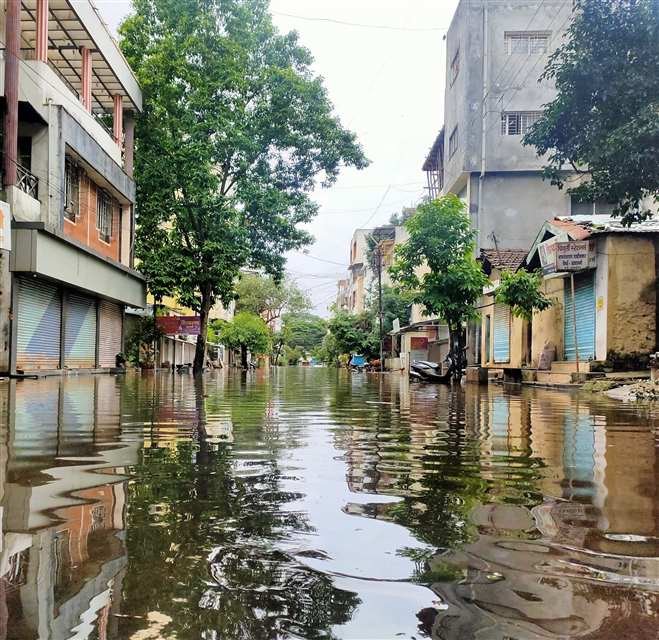
After a storm, check the well and septic system. Floodwater can contaminate a well. If your well was flooded, do not drink the water until it has been tested and, if necessary, disinfected. Septic systems saturated by rain may drain slowly or back up. Limit water use until soil dries.
Inspect exterior plumbing for damage. Check barn lines, hose bibs and outbuilding connections. Look for downed trees that may have damaged buried lines. Shut off water to damaged sections until they are repaired.
Ready to get this fixed?Talk with a licensed local plumber and get a clear price before work begins.
A leak on a long line can waste a great deal of water, and on a well system it wastes electricity too, because the pump runs more. Signs include a pump that cycles more often or runs constantly, a pressure drop, a wet or unusually green patch of ground, a bill or meter reading that rises, or water in a valve box.
Start by checking the house. Turn off all water uses and see whether the pump still cycles. If it does, close the valve at the house and check again. If the pump still runs, the leak is in the line between the well and the house or in a branch to an outbuilding. Close branch valves one at a time to isolate sections.
Once you have narrowed the section, acoustic leak detection can pinpoint the leak so that the repair is made at the right spot. Repair options include replacing the leaking section, adding a fitting or replacing the entire run if the pipe is old. Use pipe rated for burial and consider adding tracer wire and valves for future service.
After repair, pressure test the line and monitor pump cycling. Add a map of the line to your property records.
Questions? We are happy to help.Call or request a quote online and we will respond quickly.
Choosing a water heater for a rural home: fuel, sediment and size
Rural homes may have electric, propane or sometimes natural gas water heaters. Electric is simple and common. Propane heaters give fast recovery but require a tank and delivery. Heat pump electric heaters are efficient and suit the climate. In every case, well water can shorten life through sediment, iron and hardness.
Install a sediment filter ahead of the heater. Flush the tank annually. Check the anode rod every few years. Consider a softener if hardness is high. If the household is large or has guests, size the heater for peak demand. If the home has a long run to a distant bathroom, consider a second small heater or a recirculation loop.
Install a drain pan, a relief valve discharge pipe and, if the heater is in a garage or closet, a leak sensor. If propane is used, follow all safety requirements for venting and gas connections and install a carbon monoxide alarm.
Plan replacement before failure. In a rural area, getting a replacement quickly may be harder, and living without hot water for days is unpleasant.
Skip the guesswork.Get an honest diagnosis and options from a plumber who explains everything.
Frequently asked questions about plumbing in Loxahatchee Groves and Loxahatchee
Do you work on wells? We service pressure tanks, switches, filters and plumbing connected to wells. For pumps in the well and casing issues, we coordinate with a well contractor.
Can you clear drains on a septic system? Yes, with methods chosen to protect the system, and we will tell you when a septic professional should lead.
How do I find a leak in a long line? A meter or pump test narrows the section, and acoustic detection locates the leak.
Do you serve barns and outbuildings? Yes, including hose bibs, waterers, wash racks, utility sinks and water heaters.
How far will you travel? We serve Loxahatchee Groves and nearby rural communities and will give you an arrival window when you call.
Schedule your visit today.Same-day appointments are often available for repairs and installations.
Planning new construction and additions on rural lots
Building on a large rural lot starts with decisions that urban builders never face. Where will the well go, and how deep must it be? Where will the septic tank and drain field go, and how large must they be for the planned number of bedrooms? How will water reach outbuildings? How will wastewater from a barn or workshop be handled? These questions must be answered before the house is framed, because setbacks, soil conditions and permit rules govern placement.
Work with professionals in the right order. A surveyor or civil professional locates the building envelope. A septic designer evaluates soil and sizes the system. A well contractor drills and tests the well. A plumber designs the water lines, pressure system and fixtures, and coordinates inspections. A builder who brings these parties together early avoids costly redesigns.
Consider capacity. A well and pressure tank sized for a four-bedroom home may be strained by a pool fill, a guest house or a barn with multiple waterers. Discuss future plans so that infrastructure can be sized once. Consider treatment equipment from the start, based on a water test.
Document the work. Keep records of well logs, pump specifications, septic permits and as-built drawings. They matter for future repairs and resale.
Need a plumber you can trust?Call now for fast, friendly service across Palm Beach and Martin Counties.
Buying a rural property: what to ask about wells, septic systems and plumbing
Buying a home in Loxahatchee Groves or a similar area calls for extra due diligence. Ask for the well's age, depth, pump type and service records. Ask when the pressure tank was last replaced. Request recent water test results. Ask for the septic system's permit, location diagram, tank size and pumping history. Ask whether any additions have been made since the system was installed, such as extra bedrooms or an accessory unit.
Hire qualified inspectors. A plumber can inspect the in-house plumbing, the water heater and pressure system. A well contractor can test pump output and well condition. A septic professional can inspect the tank and field. A camera inspection of the building drain shows its condition. Test the water at a certified lab.
Look for signs of trouble: wet areas over the drain field, odors, patchy grass, rust stains, low pressure, pump noise and corroded fittings. Ask neighbors about their experience with water quality and flooding.
Use the findings to negotiate, and plan maintenance. A well-documented rural property is easier to insure and to sell.
Ready to get this fixed?Talk with a licensed local plumber and get a clear price before work begins.
Spring: test the water, check the pressure tank air charge, inspect hose bibs and outbuilding lines and clean or replace filters. Early summer: prepare for hurricane season by testing the generator, storing water, checking the main shut-off and clearing cleanouts. Summer: watch drains and the septic system after heavy rain, and check for leaks after storms.
Fall: inspect for storm damage, flush the water heater, check the septic tank level if it has been a few years and review treatment equipment. Winter: watch for freeze risk during rare cold snaps by insulating exposed lines and hose bibs, and keep animal waterers working.
Keep a log of dates, findings and costs. A record of pumping, filter changes and tests helps professionals diagnose problems and supports insurance and resale.
Questions? We are happy to help.Call or request a quote online and we will respond quickly.
Working with rural professionals: plumbers, well contractors, septic services and electricians
Rural plumbing involves several trades, and knowing who does what saves time. A plumber handles the plumbing inside and outside buildings, water heaters, fixtures, drains and, in many cases, pressure tanks and treatment equipment. A well contractor drills wells, replaces submersible pumps, repairs casings and evaluates well yield. A septic contractor designs, installs, pumps and repairs septic systems. An electrician handles wiring for pumps, generators and transfer switches.
Problems often cross boundaries. A pump that does not run may be an electrical issue, a pressure switch problem or a failed pump. A drain that is slow may be a clog, a full tank or a failing field. A good plumber will diagnose as far as plumbing goes and tell you which specialist is needed next, and may coordinate on your behalf.
When you call, describe symptoms clearly. Say when the problem began, what changed, whether the pump is running and whether anything unusual happened such as a storm, a power outage or a large water use. That information helps the first professional diagnose faster.
Keep a list of trusted contacts for each trade. In an emergency, you will know whom to call.
Skip the guesswork.Get an honest diagnosis and options from a plumber who explains everything.
Protecting your investment: records every rural owner should keep
Rural systems are easier to maintain when you have records. Keep the well log, which shows depth and casing. Keep pump specifications, installation dates and service records. Keep pressure tank model and installation date. Keep water test results over time. Keep the septic permit, tank size and diagram, and pumping dates. Keep a map of water lines, valves, cleanouts and the drain field.
Store records in a binder or a shared folder and keep a copy off-site. When you sell, share them with the buyer. When you hire a contractor, share them to save time. When something goes wrong, they let a professional start with facts.
Update the records whenever work is done. A short note with the date, the work and the contractor is enough.
Schedule your visit today.Same-day appointments are often available for repairs and installations.
Rural roads and access: planning plumbing service on unpaved lanes
Many properties in the area are reached by unpaved or narrow roads. After heavy rain, they can become hard to travel. When you call a plumber, share clear directions, gate codes and any seasonal access issues. If heavy rain makes your road difficult, tell the dispatcher so that the technician can plan an appropriate vehicle and arrival time.
Need a plumber you can trust?Call now for fast, friendly service across Palm Beach and Martin Counties.
Do you provide plumbing service in Loxahatchee Groves?
Yes. Buckeye Plumbing serves Loxahatchee Groves in Palm Beach County, Florida, including emergency calls, drain and sewer work, water heaters, leak detection and inspections.
How quickly can a plumber arrive?
We dispatch the closest available technician and give an estimated arrival time when you call. Emergencies receive priority.
What plumbing problems are most common nearby?
Well pumps, pressure tanks and long private water lines need different diagnosis than municipal service. Septic-connected drains must be cleaned carefully to protect the drain field.
Is Buckeye Plumbing licensed and insured?
Yes. We are a licensed and insured plumbing contractor, and we pull permits where local codes require them.
How do I request service?
Call (858) 363-8287 or use the quote form on our contact page, and we will confirm your appointment and arrival window.
Ready to get this fixed?Talk with a licensed local plumber and get a clear price before work begins.