Delray Beach by district: how plumbing differs from the beach to west of the interstate
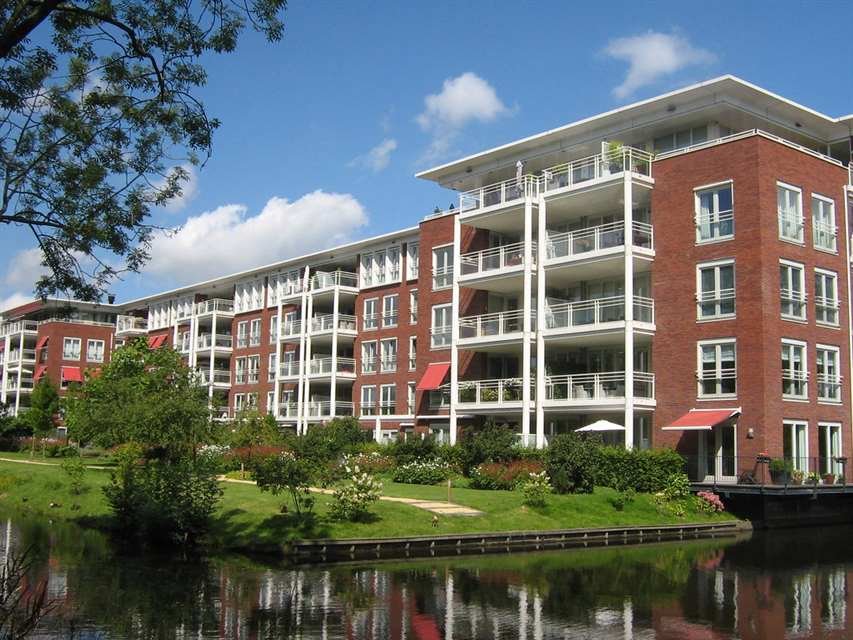
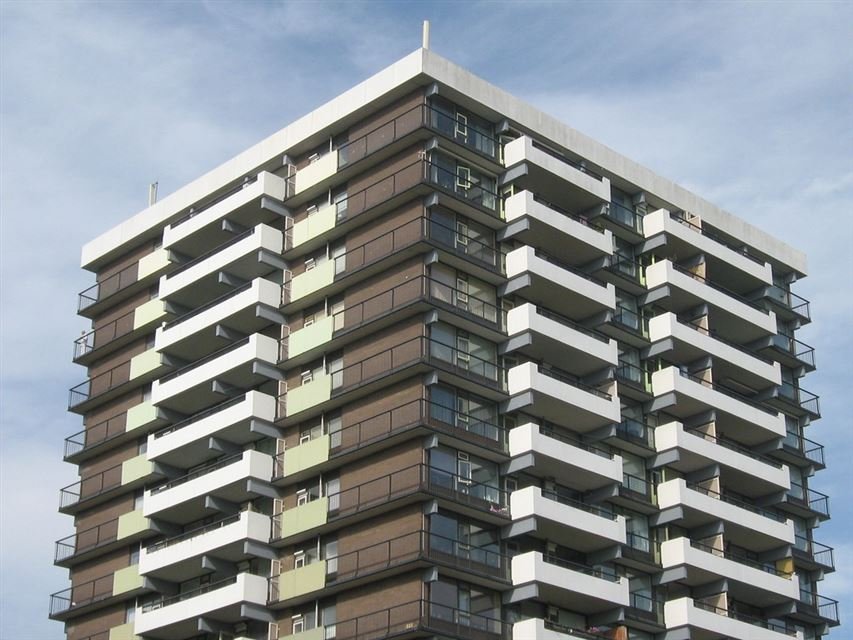
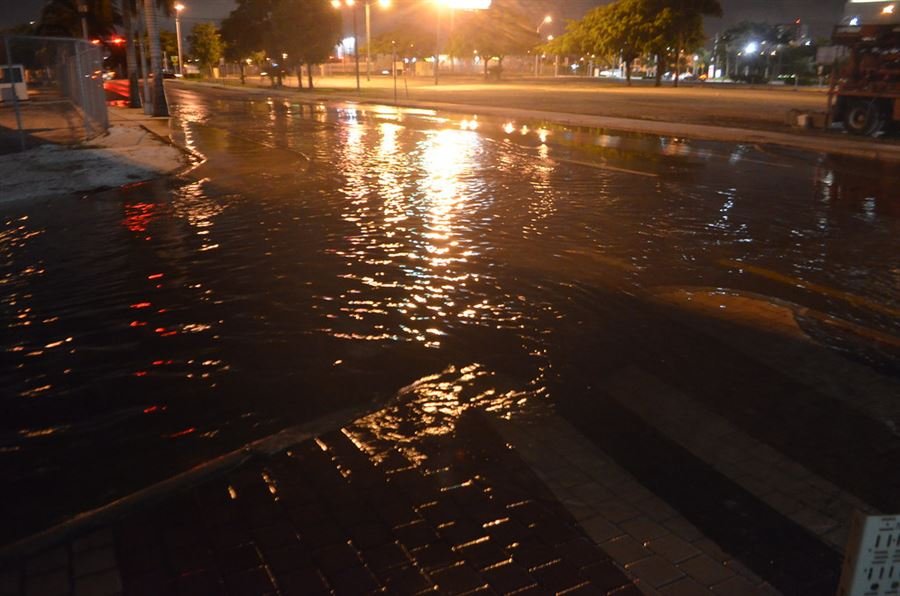
Delray Beach is easier to understand as a series of districts than as a single city. Near the ocean and along the Intracoastal Waterway, the housing mixes older beach cottages, rebuilt contemporary homes and condominium buildings. These properties share exposure to salt air and a high water table, and many have been renovated several times. A plumber working here expects corroded exterior fittings, supply lines of mixed vintage and sewer laterals that have seen both root growth and groundwater infiltration.
The downtown core, centered on Atlantic Avenue and extending into the Pineapple Grove Arts District, is a dense mix of restaurants, shops, galleries, offices and apartments. Buildings are often older or have been adapted to new uses, so plumbing may combine original cast-iron stacks with modern branch lines. Commercial tenants change over time, and each new tenant may need restrooms, sinks or kitchens reworked.
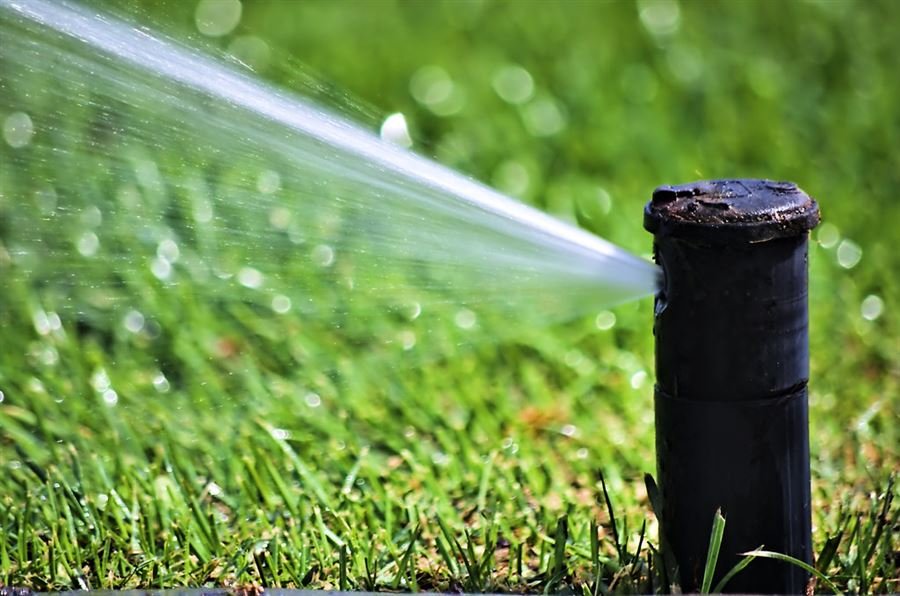
Farther inland, between Federal Highway and the interstate and beyond, neighborhoods from the middle of the last century sit beside newer subdivisions. West of the interstate, many residents live in planned communities with clubhouses, golf courses and shared irrigation. Here the typical plumbing calls shift toward water heaters, irrigation backflow assemblies, fixture repairs and the occasional slab leak.
Understanding your district helps you anticipate maintenance. If you are near the coast, check exterior plumbing for corrosion every spring. If you are downtown, coordinate with neighboring tenants and the landlord before shutting off water. If you live in a planned community, find out what the association maintains and what you do.