Plumbing Repair and New Fixture Installation in Palm Beach County
Faucets, toilets, disposals, valves, fixtures and appliance hookups repaired or installed.
- Licensed & insured
- Upfront pricing
- Clean, courteous techs
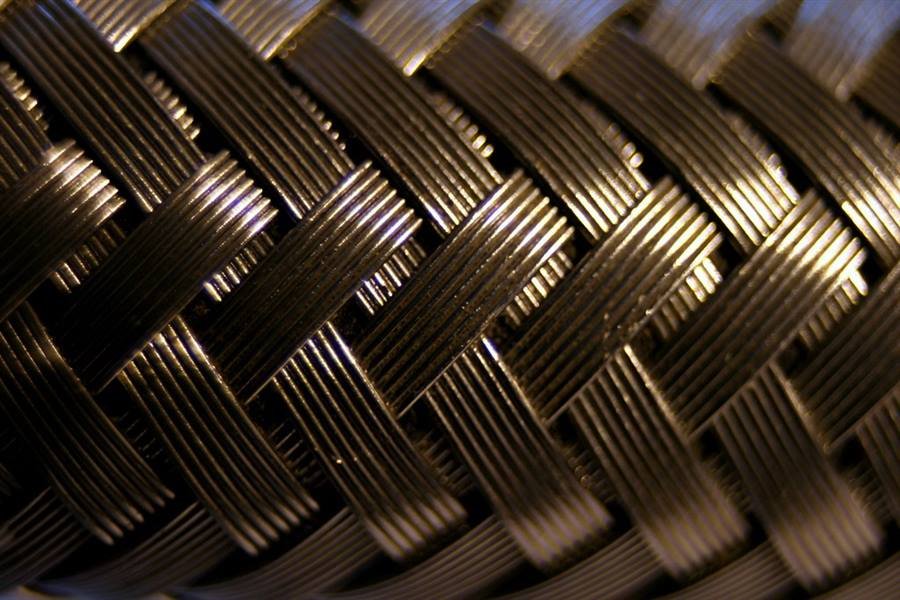
What is plumbing Repair & New Install?
Day-to-day plumbing problems can be annoying and costly: a dripping faucet that wastes water, a toilet that keeps running, a disposal that hums but will not turn, a shut-off valve that will not close. Buckeye Plumbing repairs and installs the fixtures and fittings in your home so everything works and looks as it should.
We arrive on time, diagnose the problem, explain your options and give you a firm price. If repair makes sense, we repair. If replacement is smarter, we say so and show you the reasons.
Our plumbers carry common parts, so many repairs and installs are finished in one visit. We clean up and test everything before we leave.
Signs you need plumbing Repair & New Install
Recognizing the warning signs early is the best way to keep a small plumbing issue from becoming an expensive one. Watch for the following in your home or business.
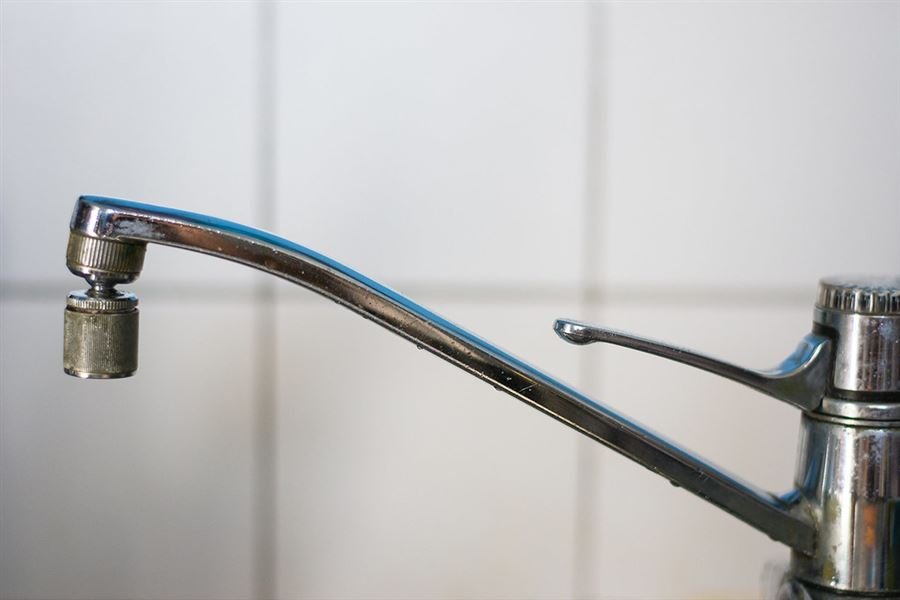
- A dripping faucet. Constant drips waste water and indicate worn cartridges or seats.
- A running toilet. Failing flappers or fill valves can waste hundreds of gallons.
- Low pressure at a fixture. Clogged aerators or failing cartridges often cause low flow.
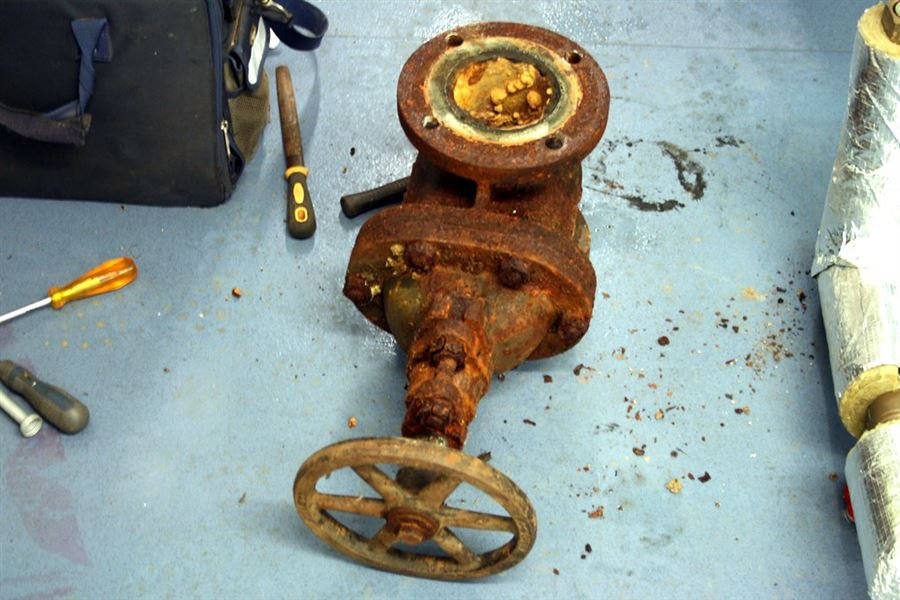
- A leaking shut-off valve. Old valves can drip or fail when turned.
- A disposal that jams or leaks. Disposals wear out and seals fail.
- A leaking hose bib. Outdoor spigots can leak inside the wall.
- A dishwasher or washing machine hookup issue. Failing supply lines and drains can flood floors.
- Corroded or outdated fixtures. Rust, discoloration and mineral buildup mean it is time for an upgrade.
How our plumbing Repair & New Install process works
You should know exactly what will happen before a plumber arrives. Here is how we handle every plumbing Repair & New Install job from first call to final cleanup.
- Diagnose. We listen, inspect and test to find the cause.
- Explain options. We present repair and replace options with prices.
- Get your approval. Work starts after you say yes.
- Complete the work. We repair or install and use quality parts.
- Test. We test for leaks and proper function.
- Clean up. We leave your space clean and show you the result.
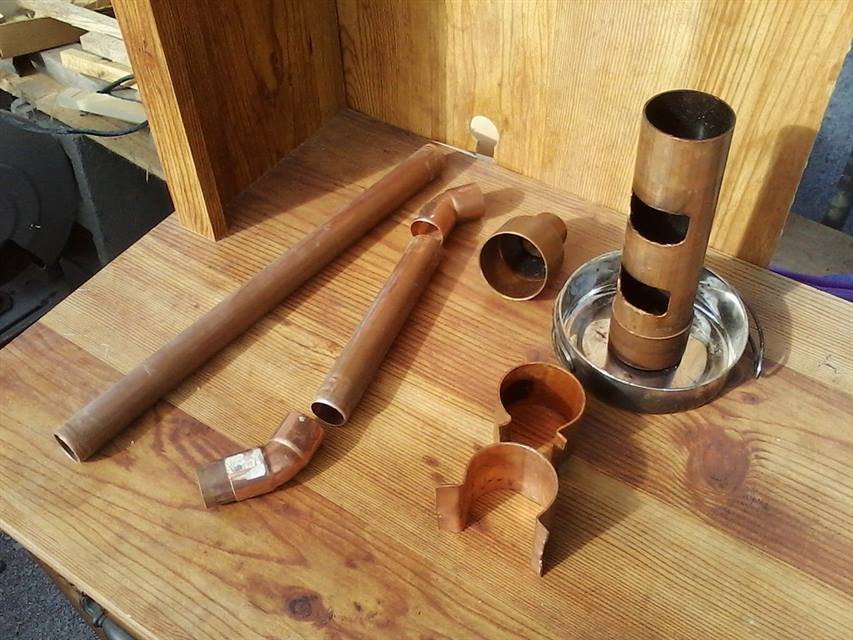
Plumbing Repair & New Install options and services we provide
Faucets and fixtures
Kitchen, bath, laundry and utility faucets repaired or replaced.
Toilets
Repairs, replacements and comfort-height or water-efficient upgrades.
Garbage disposals
Installation, repair and replacement with proper electrical and drain connections.
Valves and supply lines
Shut-off valves, braided connectors and pressure regulators.
Appliance hookups
Dishwashers, washing machines, ice makers, water filters and softeners.
Outdoor plumbing
Hose bibs, outdoor showers and irrigation connections.
How much does plumbing Repair & New Install cost in South Florida?
Most repair and installation work is priced per task. We provide a firm quote after diagnosis, so you know the cost before work starts. Costs depend on parts and fixtures selected, access, and how much time the work takes.
When we recommend replacement rather than repair, it is because the repair would cost a large portion of replacement or because the part will not last.
What affects the price
- Fixture quality and brand
- Parts availability
- Accessibility
- Age of existing plumbing
- Permit needs
- Number of items done in one visit
Plumbing Repair & New Install in Palm Beach County and Martin County: local factors
South Florida's hard water leaves mineral scale on faucets, aerators and shower heads. Calcium buildup restricts flow and wears out cartridges. A water softener or conditioner can help, and regular cleaning keeps fixtures working.
Salt air corrodes exposed hardware and outdoor valves in coastal communities. Choose stainless or brass fittings and check them regularly.
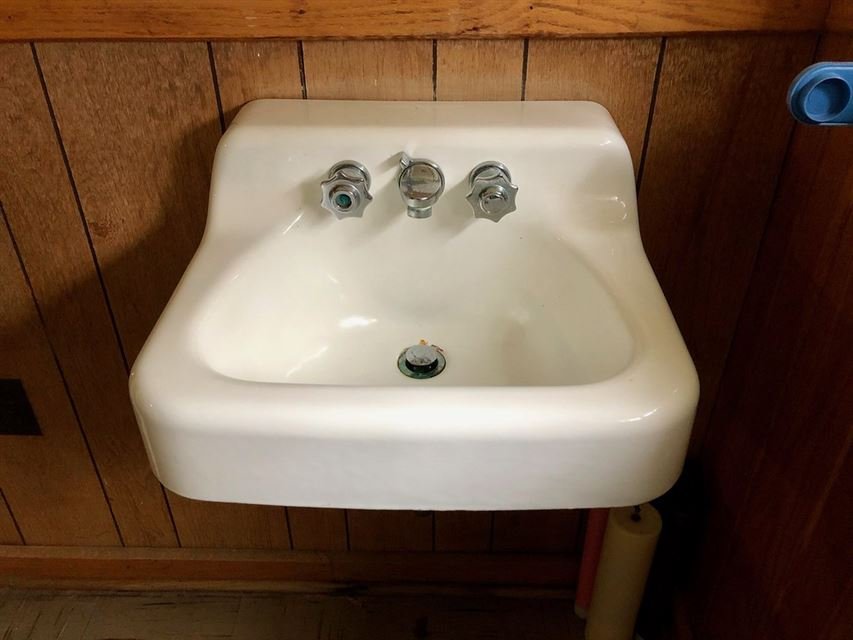
Many local homes have older shut-off valves that were never turned, and they fail when needed. Replacing them with quarter-turn ball valves provides reliable control.
How to prevent problems and extend system life
- Replace worn washers and cartridges. Cheap parts prevent bigger leaks.
- Clean aerators. Remove scale every few months.
- Test shut-off valves. Exercise valves once a year.
- Use braided lines. Replace rubber hoses.
- Do not overtighten. Overtightening cracks fixtures.
- Call early. Small repairs cost less than damage.
Faucet repair versus replacement: how to decide without wasting money
A dripping faucet is one of the most common plumbing calls, and it is also one of the best examples of the repair-or-replace decision. Most drips come from a worn cartridge, washer or O-ring, parts that cost little and take a plumber a short time to replace. If the faucet is otherwise in good condition and parts are available, repair is usually the economical choice.
Replacement makes sense when the faucet is corroded, the finish is flaking, the body is cracked or the manufacturer no longer supplies parts. It also makes sense when you want a feature that the old faucet lacks, such as a pull-down sprayer, a touchless sensor or a lower flow rate. A faucet that has been repaired repeatedly may also be at the end of its life.
Pay attention to how the faucet leaks. A drip from the spout when the faucet is off usually points to the cartridge or seats. A leak at the base of the handle points to an O-ring or packing. A leak under the sink may come from supply lines or the faucet body itself.
Ask the plumber to show you the failed part and explain the cost of repair versus replacement. A fair recommendation is based on the condition of the fixture, not on the plumber's sales target.
Toilet problems: running, weak flush, leaking base and clogs
Toilets are simple machines, and most problems have a few common causes. A running toilet usually means the flapper is not sealing, the fill valve is failing or the float is set too high. The water seeps from the tank into the bowl or overflows into the overflow tube, and the fill valve runs to compensate. A leaking flapper can waste a large amount of water without any visible sign.
A weak flush can come from mineral buildup in the rim jets and siphon jet, a partial clog, low water level in the tank or a worn flush valve. A toilet that flushes slowly and gurgles may have a vent or drain issue rather than a fixture problem. A toilet that rocks or leaks at the base needs a new wax ring or a repaired flange, because water escaping at the base can rot the subfloor.
Clogs are best cleared with a flange plunger or a toilet auger. If a toilet clogs repeatedly, there may be a restriction in the trap or the line beyond. Using too much paper, flushing wipes or using older low-flow models with inadequate flush power are other possibilities.
Replacement is worthwhile if the toilet is cracked, constantly clogging or very old. Modern high-efficiency toilets use less water and flush well. Choose a model with a good performance rating and the correct rough-in dimension for your bathroom.
Garbage disposals: how they work, why they fail and when to replace them
A disposal grinds food waste with a rotating plate and impellers, not blades, and flushes it down the drain with water. They fail when they jam, when a motor wears out, when seals leak or when the unit is overloaded with fibrous or hard items. A hum without rotation usually means a jam; a unit that does nothing may have a tripped overload or a failed motor.
If your disposal jams, turn off power at the switch, use a hex wrench in the bottom socket to free the plate, remove any visible obstruction with tongs, press the reset button and test. Never put your hand in the disposal. If it leaks from the bottom, the internal seal has failed and replacement is needed.
Prevention helps. Run cold water during and after use. Avoid grease, large bones, fibrous vegetables such as celery in large quantities, coffee grounds in bulk, pasta and rice that swell, and non-food items. Do not use chemical drain cleaners with a disposal.
Typical disposals last around eight to fifteen years depending on use and quality. When replacing, consider a stronger motor, sound insulation and corrosion-resistant components, and make sure the dishwasher connection, the electrical connection and the trap are installed correctly.
Shut-off valves, supply lines and the small parts that prevent big floods
Every fixture should have its own shut-off valve, called an angle stop under sinks and toilets, so you can isolate it without turning off the whole house. These valves are rarely used and often seize or leak when they are finally turned. Older multi-turn valves with rubber washers are more prone to failure than modern quarter-turn ball valves.
Replace valves that are corroded, weep at the stem or will not turn fully. If you can see green or white crust on a valve or the supply line, it is leaking slowly. Replace flexible supply lines with braided stainless steel versions, and replace them proactively every several years, since the rubber or plastic inside can degrade.
The main shut-off valve at the house and the pressure regulator, if you have one, deserve attention too. A main valve that does not close fully is a safety problem. A regulator that has failed can allow excessive pressure into the home. Both are inexpensive to replace relative to the damage they can prevent.
Washing machine supply hoses are a frequent cause of floods. Use braided stainless hoses, leave a gap behind the machine so the hoses are not kinked and consider an automatic shut-off valve that closes when the machine is not in use.
Installing new fixtures correctly: what separates a clean install from a future problem
A new fixture is only as good as its installation. Details that matter include using the correct supply lines and fittings, applying thread sealant appropriately, tightening connections without overtightening, supporting heavy fixtures, setting toilets level on a sound flange with a new wax ring or seal, and testing for leaks under pressure.
Sinks need proper sealing at the countertop and correct drain assembly. Faucets require secure mounting and aerators that are clean and correctly seated. Toilets need a flange at the right height; a flange that sits below the finished floor can cause leaks. Tubs and showers need drains that are watertight and valves that are properly set.
Appliances need correct connections. Dishwashers need a high loop or air gap, ice makers need a proper shut-off and quality tubing, and water filtration systems need to be installed with correct pressure and bypass arrangements. Washing machines need a standpipe with the right height and an air gap to prevent siphoning.
After installation, test everything. Run water at each fixture, check under the sink after a full drain, flush toilets several times and look for slow seeping. A plumber who tests before leaving prevents callbacks.
Outdoor plumbing: hose bibs, outdoor showers and irrigation connections
Outdoor plumbing faces sun, rain and sometimes salt air. Hose bibs should have vacuum breakers, either built in or screwed on, to prevent backflow, and they should be tight at the wall. A bib that drips inside the wall can rot framing and cause hidden leaks, so replace it if it leaks at the handle or from the base.
Outdoor showers near pools and beaches need drains that do not create nuisance or pollute, supply lines that tolerate heat, and fixtures made of corrosion-resistant materials such as brass or stainless steel. Ensure that outdoor shower drains discharge to an approved location.
Irrigation connections should include an approved backflow assembly. Pop-up heads, valves and lines can be damaged by lawn equipment or roots; a plumber can repair the main supply side, while an irrigation contractor typically handles the zones.
Pool equipment pads often include water fill lines and hose bibs. Make sure that auto-fill connections are protected from backflow and that exposed piping is supported and sealed against sun and moisture.
Pipe breaks and pinhole leaks: what to do and what the repair options are
When a pipe breaks, the first priority is to shut off the water. The second is to understand why it broke. A split from freezing is rare in South Florida, but it can happen in unusual cold snaps. A pinhole leak in copper usually reflects corrosion over time. A crack at a fitting may come from vibration or stress. The cause determines whether a simple repair will hold.
Repair methods depend on the pipe material and the location. Copper can be repaired by cutting out the damaged section and sweating in a new piece with couplings, or by using push-fit or compression couplings in appropriate situations. PEX can be repaired with crimp or expansion fittings. CPVC uses solvent cement. Galvanized steel is difficult to repair because threads are corroded; plumbers often replace the entire section.
If a pipe has had one pinhole leak, others are likely to follow, especially in aging copper in aggressive water. Ask the plumber to evaluate nearby sections. If the leaks are multiplying, a partial or full repipe may make more sense than repeated repairs.
After a repair, test the line under pressure and monitor the meter. A small repair that holds today but fails again next month is expensive in the long run.
Pressure, noise and flow problems: the symptoms of aging or stressed plumbing
Low water pressure has many possible causes. At one fixture, a clogged aerator or cartridge is likely. Throughout the house, a partially closed valve, a failing regulator, corroded galvanized pipe or a leak may be responsible. If pressure dropped suddenly, check the main shut-off and ask whether the utility is doing work in the area.
High pressure causes damage and noise. Symptoms include banging pipes when valves close, dripping faucets, running toilets and early failure of appliances. A pressure regulator and a gauge on a hose bib let you check and correct pressure. Water hammer arrestors absorb shock and quiet the system.
Noises such as whistling, rattling or humming can come from loose pipe supports, worn washers, mineral deposits or pressure issues. Some are harmless; others signal a developing problem. A plumber can trace the noise and recommend a fix.
Discolored water has different causes. Rusty water from galvanized pipes or an aging water heater, cloudy water from air bubbles that clear quickly, or sediment after utility work are possibilities. If discoloration persists, let a plumber and your utility investigate.
Appliance hookups: dishwashers, washing machines, ice makers and water treatment
Appliance connections look simple, and small mistakes lead to major leaks. A dishwasher needs a hot water supply line with a shut-off valve and a drain line with a high loop or air gap so that wastewater cannot flow backward. A washing machine needs hot and cold supply valves, a standpipe of proper height and a drain trap.
Ice makers and refrigerator water dispensers use small-diameter tubing, which can kink or fail. Use quality tubing and a dedicated shut-off valve, and leave enough slack so the appliance can be moved for cleaning. Consider a leak sensor or a drip pan below the refrigerator.
Water treatment systems such as softeners, filters and reverse osmosis units need correct pressure, bypass valves and drains. Installation near the main shut-off, with a bypass, makes service easy. Ensure that discharge lines have an air gap to prevent backflow into the drain.
Water heaters, discussed in their own section, require additional safety devices. Whenever you add or replace an appliance, check that connectors are rated for the application and in good condition.
Hard water, scale and their impact on fixtures and appliances
Water in much of Florida is moderately to very hard. Dissolved calcium and magnesium precipitate as scale when water is heated or evaporates. Scale clogs aerators and shower heads, coats heating elements in water heaters, fouls cartridges and valves, and leaves white deposits on glass and fixtures.
Simple measures help. Soak aerators and shower heads in vinegar to dissolve deposits. Wipe fixtures after use. Flush the water heater annually to remove sediment. If scale is severe, consider a water softener, which exchanges hardness minerals for sodium or potassium, or a scale-inhibiting system that conditions the water.
Softeners need salt and periodic maintenance, and some communities regulate discharge of softener backwash. Scale inhibitors do not remove hardness but reduce scale formation. A plumber can test your water hardness and recommend a system that matches your needs and local rules.
The benefits of treating hard water include longer appliance life, better performance of soaps and detergents and fewer repairs on faucets and fixtures.
A homeowner maintenance calendar: small tasks that prevent expensive calls
Monthly: check under sinks for moisture, listen for running toilets, read the water meter, clean drain strainers. Quarterly: clean faucet aerators and shower heads, exercise shut-off valves by turning them off and on gently, check washing machine hoses and the area around the water heater.
Twice a year: test the pressure with a gauge and check that the relief valve on the water heater operates, inspect exterior hose bibs and irrigation backflow assemblies, run water in rarely used fixtures and floor drains to keep traps sealed. Once a year: flush the water heater, inspect the anode rod, test the main shut-off, inspect the visible plumbing in the garage, attic and utility areas.
Every few years: replace flexible supply lines and washing machine hoses, have the sewer line inspected with a camera, review the age of your water heater and plan for replacement, and consider a whole-home inspection.
Keep a log. Note dates, observations and repairs. A short written record helps you spot trends, supports warranty claims and gives a future buyer confidence.
How to describe a plumbing problem so the first visit solves it
The better the description you give when you call, the more likely the plumber arrives with the right parts and diagnoses the problem quickly. Start with the location, such as the upstairs hall bathroom or the kitchen sink. Describe what you see, hear or smell: dripping, hissing, gurgling, a musty odor. Say when it started and whether it is constant or intermittent. Mention anything that changed recently, such as new appliances, recent repairs or heavy rain.
Take a short video or a few photos of the problem, the fixture and the shut-off valve beneath it. Note the brand and model of the faucet, toilet or water heater if it is visible. Mention the age of the fixture and any previous repairs. If you have the manual or a receipt, keep it handy.
Tell the plumber what you have already tried. If you used a plunger, a chemical cleaner or tightened a fitting, say so. Chemical cleaners in a drain are a safety concern, and a technician needs to know before opening the trap.
Make sure the plumber can reach the area. Clear the space under the sink, move items away from the water heater, and secure pets. If you rent, confirm with your landlord who authorizes work and who pays.
Repair costs and how to avoid surprise charges
Plumbing repair pricing generally combines a service charge or diagnostic fee with the cost of labor and parts for the specific repair. Many companies apply the diagnostic fee toward the repair if you proceed. Ask how the price is structured before the technician arrives, and request a firm quote after diagnosis and before work begins.
Understand the difference between flat-rate and time-and-materials pricing. Flat-rate pricing gives you a fixed price for a defined task, which makes budgeting easy. Time-and-materials pricing charges for the time spent and the parts used, which can be lower for a quick fix and higher for a difficult one. Neither is inherently better, but you should know which applies.
Ask whether the price includes parts, labor, cleanup and any permit. Ask about warranties on both parts and labor. Request an itemized invoice. If the diagnosis reveals additional problems, ask the plumber to separate must-fix items from optional ones.
Be wary of unexpectedly large quotes for simple problems. Ask the plumber to show you the failed part and explain why the cost is what it is. A second opinion is reasonable for large non-emergency work.
Tools and techniques you can trust a plumber to use, and why they matter
Professional plumbers use tools that make repairs durable. Pipe cutters and deburring tools make clean cuts that seal properly. Press tools and crimp tools make consistent connections in PEX and copper. Torque-limiting wrenches prevent overtightening plastic fittings. Pressure gauges verify that a repair holds. Moisture meters and thermal cameras help find the extent of water damage. Drain cameras show what is happening in a line.
Technique matters as much as tools. A copper joint requires clean, fluxed surfaces and heat applied evenly. A solvent-welded plastic joint needs primer, the right cement and cure time. A compression fitting needs the right ferrule and not too much force. Thread tape or paste must be applied correctly. These details are invisible once the wall is closed, and they determine whether a repair lasts ten minutes or ten years.
Ask the plumber to test the repair before closing walls or cabinets and to leave the area dry. A professional walks you through what was done and what to watch for in the next few days, and returns if something is not right.
Frequently asked questions about plumbing repair and installation, answered in depth
Can you fix it today? Many common repairs, such as faucets, toilets, valves and disposals, can be completed in one visit because plumbers carry common parts. Special-order fixtures or repairs that need permits may take longer.
Do I need to buy the fixture myself? You can supply your own fixture or ask the plumber to supply one. Supplying your own is fine if it is a quality product with available parts. The plumber can advise on models that suit your plumbing.
Is it worth repairing an older fixture? If the repair is inexpensive and the fixture is otherwise sound, yes. If parts are unavailable or the fixture is failing in several ways, replacement is wiser.
How long does a new fixture last? Faucets often last ten to twenty years with maintenance, toilets can last decades, and disposals typically last about a decade. Quality and water conditions matter.
Plumbing Repair & New Install frequently asked questions
Can you fix a leaky faucet the same day?
Usually yes. We stock common cartridges and parts.
Should I repair or replace my toilet?
If it is old or repeatedly failing, replacement can be more cost effective.
Do you install garbage disposals?
Yes, including electrical connections where permitted.
Can you install a water filter?
Yes, from under-sink systems to whole-home filters.
Do you install customer-supplied fixtures?
Yes, but we cannot warranty the product itself.
How much does a typical repair cost?
It varies. We give a firm price after diagnosis.
Do you replace shut-off valves?
Yes, and we recommend replacing old multi-turn valves.
Do you install washing machine boxes?
Yes, with proper drain and shut-offs.
Plumbing Repair & New Install service areas
Buckeye Plumbing provides plumbing Repair & New Install in 56 communities across Palm Beach County and Martin County, including Atlantis, Boca Raton, Boynton Beach, Briny Breezes, Cloud Lake, Delray Beach, Glen Ridge, Golf and many more. Choose your community to see local information.
- Atlantis
- Boca Raton
- Boynton Beach
- Briny Breezes
- Cloud Lake
- Delray Beach
- Glen Ridge
- Golf
- Greenacres
- Gulf Stream
- Gun Club Estates
- Haverhill
- Highland Beach
- Hobe Sound
- Hypoluxo
- Jensen Beach
- Juno Beach
- Juno Ridge
- Jupiter Farms
- Jupiter Inlet Colony
- Jupiter
- Jupiter Island
- Kenwood Estates
- Lake Belvedere Estates
- Lake Clarke Shores
- Lake Park
- Lake Worth
- Lantana
- Limestone Creek
- Loxahatchee Groves
- Manalapan
- Magnolia Park
- North Palm Beach
- Ocean Breeze
- Ocean Ridge
- Palm Beach Gardens
- Palm Beach Shores
- Palm Beach
- Palm City
- Palm Springs
- Pine Air
- Riviera Beach
- Royal Palm Beach
- Royal Palm Estates
- San Castle
- Schall Circle
- Seminole Manor
- South Palm Beach
- Stacey Street
- Stuart
- Tequesta
- The Acreage
- Watergate
- Wellington
- West Palm Beach
- Westlake